요약
Although the graphics processing unit gained a lot of attention over the last decade, the humble CPU is now proving important too
본문
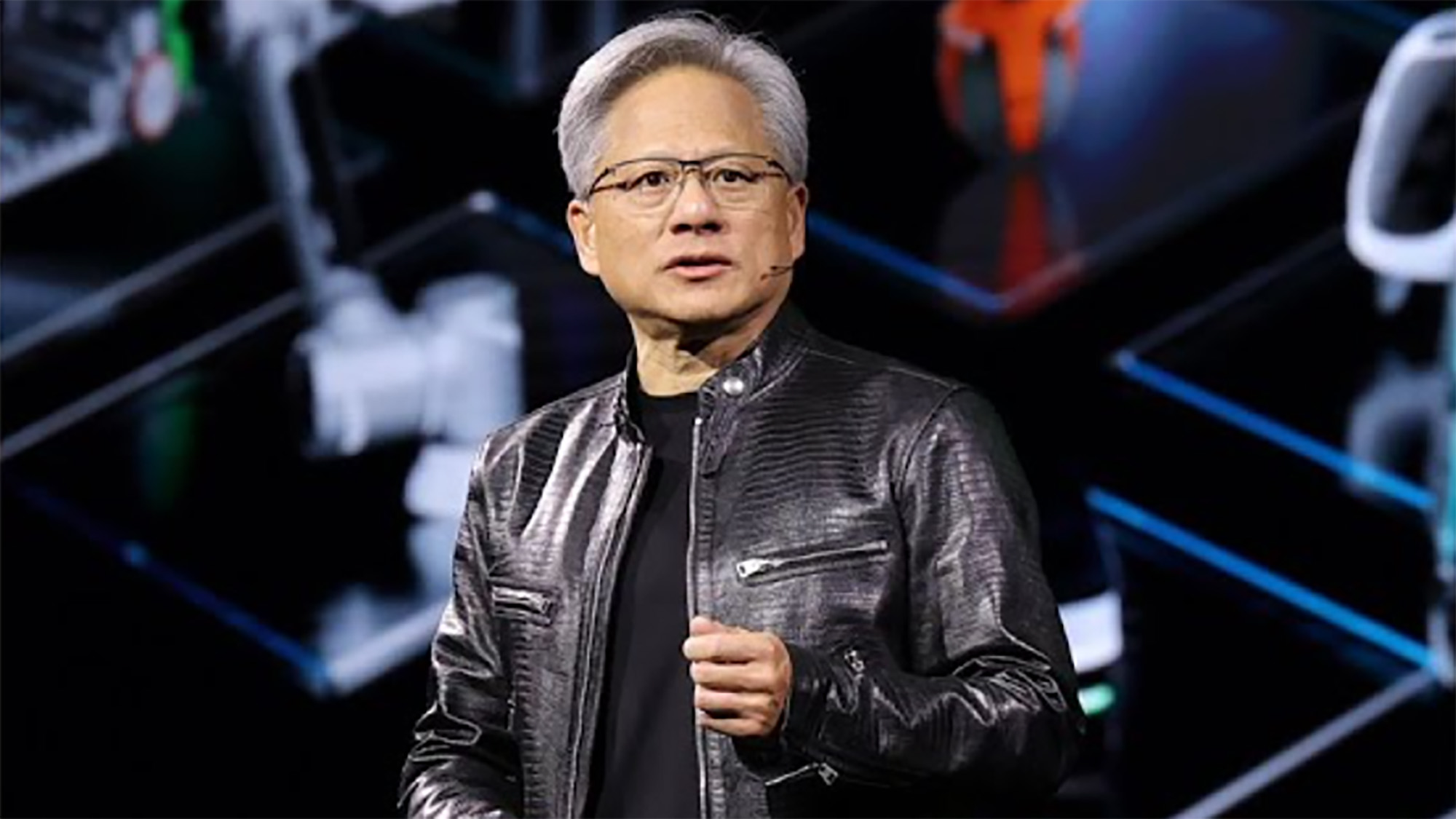
Although Jensen Huang departed Nvidia on controversial terms, there's no doubt the impact the company made on the wider tech industry, especially on the AI buildout over the last decade and more. Demand for GPUs surged in recent years, but conventional computing processors have been the bedrock of computing for decades.
"The GPU won't destroy the CPU. Without the CPU, there's no computer. We should stand on the shoulders of giants and take the industry further."Multipurpose chips
The Nvidia co-founder and former CEO Jensen Huang was speaking during a televised interview on PBS during the peak of the financial crisis.
Quote of the dayThis article is part of TechRadar Pro's QOTD project to provide an insight into the minds of the brightest and most recognized figures in the technology industry today and in years gone by. Read the full series here.
During the segment, Huang was hoping to quash the perception that GPUs were primarily hardware designed for gaming, and gaming alone – instead suggesting that these components represented the future of computing.
Latest Videos FromTechRadarWatch full video here:In this demonstration, he suggested that these components excel at performing parallel processing, with programmers using Nvidia hardware to perform various tasks much quicker than if they'd used conventional chips. But he stressed that computing would be nothing without these foundational processors – and there was certainly room for both components in the modern era.
Maximum inference
Nvidia was struggling during this period, but invested plenty of cash into R&D – and eventually came through the other side to become the most valuable company in the world during the last couple of years.
GPUs were – and still are – in high demand due to their high performance when deployed in AI data centers, although the industry is increasingly now turning to CPUs for their performance in the inference process.
CPUs offer lower latency and high flexibility – as well as immediate access to memory – making them optimal for the inference process during large language model usage.
Are you a pro? Subscribe to our newsletterWith a huge amount of the compute resources available now dedicated not just to training, but deployment, of AI – there's a much bigger role being carved out for the humble processor in the modern era.
TOPICS
Keumars Afifi-Sabet is a freelance contributor for Tech Radar and the Technology Editor for Live Science. He has written for a variety of publications including ITPro, The Week Digital and ComputerActive. He has worked as a technology journalist for more than five years, having previously held the role of features editor with ITPro. In his previous role, he oversaw the commissioning and publishing of long form in areas including AI, cyber security, cloud computing and digital transformation.
You must confirm your public display name before commenting
Please logout and then login again, you will then be prompted to enter your display name.
LATEST ARTICLES- 1 BAE Systems says its new 'ghost radar' piggybacks TV and radio signals to detect and track airborne threats without revealing its own position
- 2 After reviewing and playing GTA 6 for more than 100 hours, these are the best controllers for the open-world behemoth that I’ve tested
- 3 The Blue Yeti tops our list of the best USB microphones, and it's half price at Amazon right now
- 4 This 16-inch HP OmniBook X Flip with an OLED touchscreen and Intel's latest Core Ultra 7 is $430 off at Best Buy
- 5 We called Samsung's 9100 Pro “the best there is” for pros, and the 2TB model is $280 off at Best Buy