요약
Nebraska is using more than $177 million in rural health funds for community health workers, remote monitoring, and provider contracts in 51 counties.
본문

Nebraska is putting more than $177 million in federal rural health funding toward recruiting health workers, creating community health worker jobs, and adding remote care tools, the Centers for Medicare & Medicaid Services announced on Oct. 13. Recruitment and retention awards have already produced signed contracts with providers in 51 counties, according to CMS.
For rural Nebraskans, the changes could show up in practical ways, though CMS has not said how many patients have been reached. A new community health worker may help a patient find a regular doctor or manage diabetes, and a small-town clinic may gain remote monitoring equipment that lets nurses track a patient's condition between visits.
Where the First-Year Money Is Going
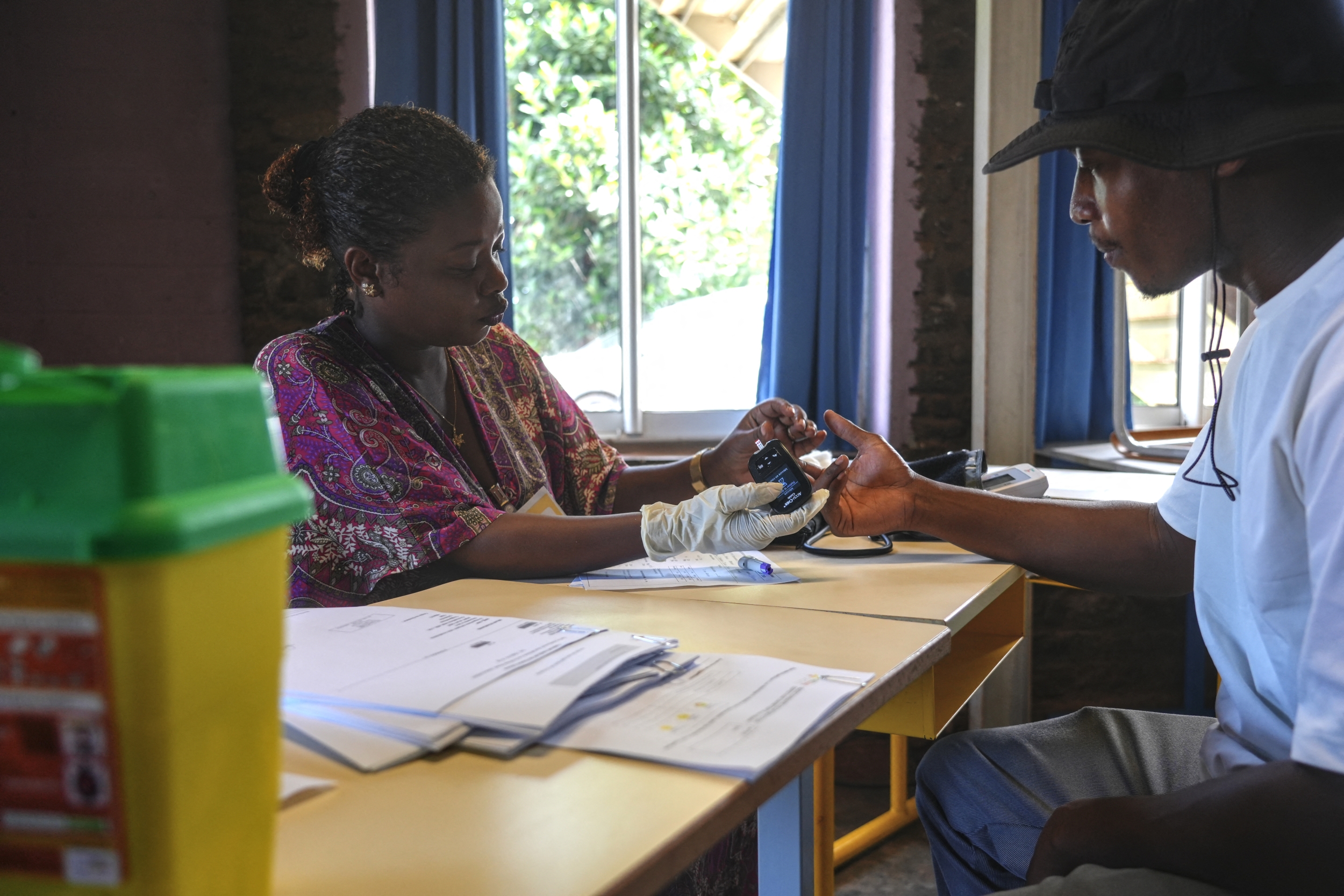
CMS said the funding has created more than 200 community health worker and supervisor positions. These workers help residents navigate care, manage chronic disease and connect with local providers. Another 45 health care facilities have gained access to remote monitoring technology, with 68 devices deployed so far.
The money also supports behavioral health. During Nebraska's 2026 wildfires, CMS said, 19 crisis debriefing sessions provided mental health support to affected communities. Rural law enforcement officers and first responders are also receiving app-based telehealth tools that connect them directly with trained mental health professionals during a crisis.
CMS described broader goals for the program, including school-based care, mobile services and other community strategies. The release did not give Nebraska-specific counts of mobile clinic units or patient visits, so the scale of mobile care remains unclear.
The Recruitment Deal for Rural Providers
The 51 counties reflect contracts signed through the Nebraska Rural Health Workforce Incentive Program. According to the Nebraska Department of Health and Human Services, the program offers $7,500 to $75,000 a year for five years to providers who move to rural Nebraska, expand rural services, or keep practicing in rural communities.
Recipients must live in Nebraska, accept Medicaid, and commit to five years of rural service. Eligible sites include rural health clinics, critical access hospitals, EMS agencies, nursing homes, federally qualified health centers, behavioral health clinics, schools, local health departments and dental clinics. Under the program's rules, every Nebraska county except Douglas, Lancaster and Sarpy, home to Omaha and Lincoln, counts as rural.
The state's rural workforce initiative page says roughly one-third of Nebraskans live in areas with serious shortages in primary care, obstetrics and behavioral health. Nebraska is also creating a formal certification pathway and statewide registry for community health workers, with added endorsements in areas such as home visiting and lactation support.
Two Different Dollar Figures
Readers may see different totals for Nebraska. The $177 million figure in the CMS announcement is part of the state's first-year award, which Nebraska DHHS lists at about $218.5 million, funded entirely by CMS. The two figures describe the same award, not separate pots of money.
Nationally, first-year awards ranged from about $147 million in New Jersey to $281 million in Texas, with an average of about $200 million, according to CMS's December award announcement. Half of the money was split equally among states, and the other half was based on factors including rurality and state policy.
The national program is a $50 billion effort created under the law CMS calls the Working Families Tax Cuts Act, with awards going to all 50 states. Officials framed Nebraska's results as an early model. CMS Administrator Dr. Mehmet Oz said, "This is what rural health transformation should look like," describing it as federal investment that puts patients first. Gov. Jim Pillen said the work "is laying the foundation for a more sustainable health care system."
Several key questions remain open. CMS did not report how many individual providers have signed contracts, which professions they represent, or how many new patients they will serve. It is also too early to know whether recruits will stay beyond the five-year commitment, a common challenge for rural incentive programs.
Finding the New Services Close to Home
Residents who want to know whether new services have reached their area can check with their local health department or nearest critical access hospital, since those offices are often the first point of contact for community health programs. People living with diabetes, heart disease, high blood pressure or other chronic conditions stand to benefit most from care coordination and remote monitoring, along with older adults who live far from a clinic. Health care workers interested in rural incentives can review eligibility through Nebraska DHHS.
Patients who are offered a remote monitoring device can ask who reviews the readings, how quickly someone responds to an abnormal result, and whether the service carries any cost. Remote tools and community health workers support ongoing care but do not replace emergency services. People in a mental health crisis can call or text the 988 Suicide and Crisis Lifeline at any time, and anyone with chest pain, signs of stroke, or severe breathing trouble should call 911.
CMS has described this as Nebraska's first year in the program. Future updates should show how many providers have been recruited, where mobile and remote services are operating, and whether the investments improve access in counties with the fewest health care options.
Read more Alabama Sends 144 Million Dollars to Rural Clinics for Maternity Care, Mental Health and Emergency Transport Federal Program Will Send AI Health Tools into Rural America Before Evidence Shows They Improve Patient Outcomes Federal Health Funding Now Runs to December 11 with Community Health Center Fund Expiring Twenty Days LaterKey Questions Answered
What is Nebraska funding with the $177 million?
CMS says the money supports rural workforce recruitment, more than 200 community health worker and supervisor positions, remote monitoring at 45 facilities, and behavioral health support.
What do the 51 counties represent?
They are counties where recruitment and retention awards have led to signed contracts with health care providers, according to CMS.
How much can rural providers receive?
Nebraska's incentive program offers $7,500 to $75,000 a year for five years. Recipients must accept Medicaid and commit to five years of rural service.
Which counties count as rural?
Every Nebraska county except Douglas, Lancaster, and Sarpy qualifies as rural under the program.
Why do I see different dollar totals?
CMS cited more than $177 million as part of Nebraska's first-year award, while Nebraska DHHS lists the total first-year award at about $218.5 million.
How can residents find new services?
Residents can contact their local health department or nearest critical access hospital to ask which new services are available in their area.
Published by Medicaldaily.com