At this point, almost everyone understands that a critics’ score isn’t exactly the ultimate truth. There are several cases where audiences have disagreed dramatically with professional reviewers, and Rotten Tomatoes is full of examples of this. The problem is…
본문
At this point, almost everyone understands that a critics’ score isn’t exactly the ultimate truth. There are several cases where audiences have disagreed dramatically with professional reviewers, and Rotten Tomatoes is full of examples of this. The problem is that, for a long time, plenty of movies ended up suffering because of it, automatically turning people away from them. Thankfully, that has started to change in recent years, especially when it comes to sci-fi, a genre that still tends to turn some people away for all kinds of reasons, even as it continues to gain new fans as well.
Videos by ComicBook.com
So, with that in mind, we’ve rounded up some films that definitely deserved a better critical reception because watching them is a pretty great experience. None are untouchable masterpieces, and that’s not the point of recommending them here, but they all offer a genuinely satisfying watch if you’re into sci-fi. And if you tend to skip a movie just because the critics didn’t like it, these might make you rethink that.
4) TRON: Legacy
image courtesy of walt disney pictures
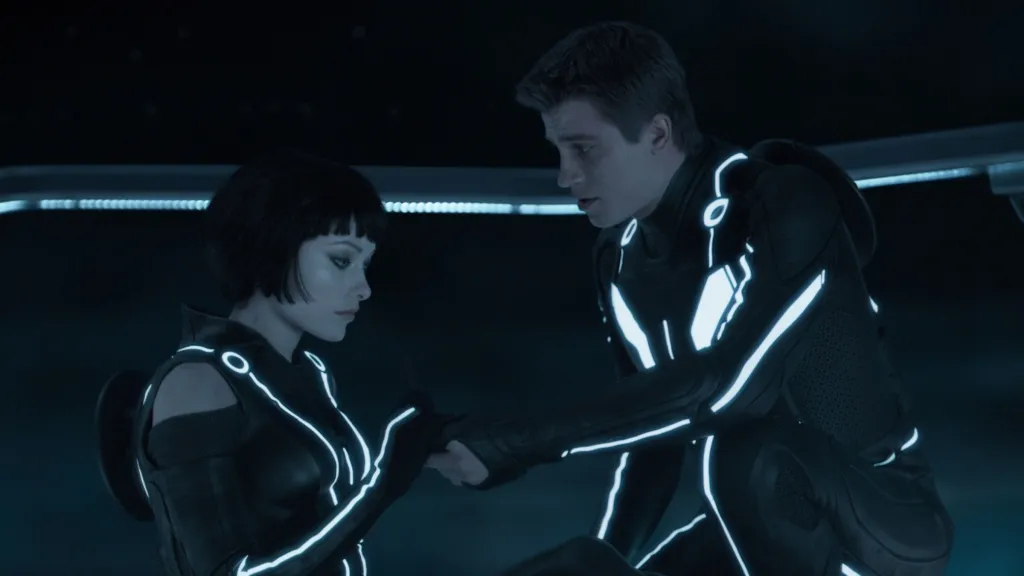
It’s easy to understand why TRON: Legacy didn’t win over critics, but that doesn’t mean the movie deserved to be remembered as a mediocre 51% sci-fi movie, right? This is a sequel to the 1982 classic TRON, following Sam Flynn (Garrett Hedlund) as he enters the Grid, the digital world created by his father, Kevin Flynn (Jeff Bridges), and finds out that he has been trapped there for years, while a digital version of Kevin tries to take control of that universe. So, why the low score? Well, the script could definitely be stronger, especially when it comes to the characters. But on the other hand, the movie makes up for that with something a lot of sci-fi blockbusters fail to have: an identity.
What we see in TRON: Legacy is that the Grid doesn’t feel like just another backdrop created to give the characters somewhere to have action scenes; it has its own rules, its own aesthetic, and a very distinct atmosphere that people still recognize to this day. Plus, the film makes great use of it in the light cycle races, the battles, and pretty much every scene that takes place inside that world. The Daft Punk score also makes a huge difference, helping turn the movie into a much more immersive experience than the story alone might have been able to provide. So, the feature may have its flaws, but what it does well, it does really well, and that’s what ultimately stands out — no wonder so many people still feel a strong sense of nostalgia for it.
3) The Thirteenth Floor
image courtesy of columbia pictures
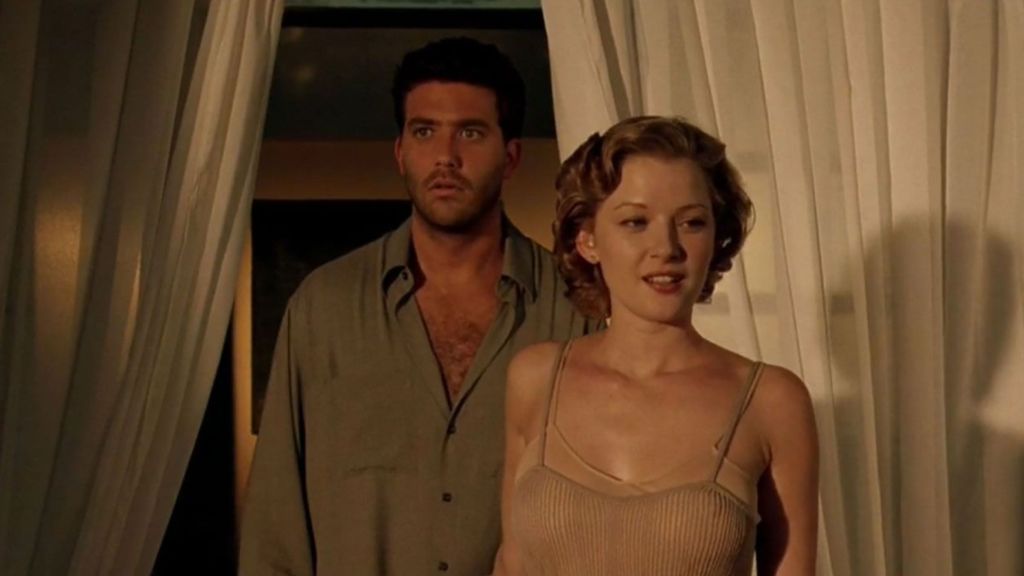
If you like sci-fi movies about simulated realities, The Thirteenth Floor delivers, even if its 29% RT score says otherwise. The story here follows Douglas Hall (Craig Bierko), a scientist working on technology capable of creating a virtual reality that is practically indistinguishable from the real world, who, after his boss is murdered, starts discovering that something is very wrong with the reality he lives in. Are some of the performances over the top? Sure. Have the effects not aged very well? Definitely. But the thing is that the movie’s central idea is good enough to keep you watching, especially because the mystery takes its time to unfold.
Other than that, its noir vibe also helps set it apart from other films about virtual reality, instead of just relying on futuristic technology and big action sequences (otherwise, the movie might have really ended up feeling generic and forgettable). It’s fair to assume that some of the critics’ low scores also came from the fact that The Thirteenth Floor became kind of “that other simulated reality movie released around the same time as The Matrix” (which also made it less well-known over the years), but there’s still plenty here to defend. It may not be as polished as you might expect from the genre, but the story works.
2) Equilibrium
image courtesy of miramax films
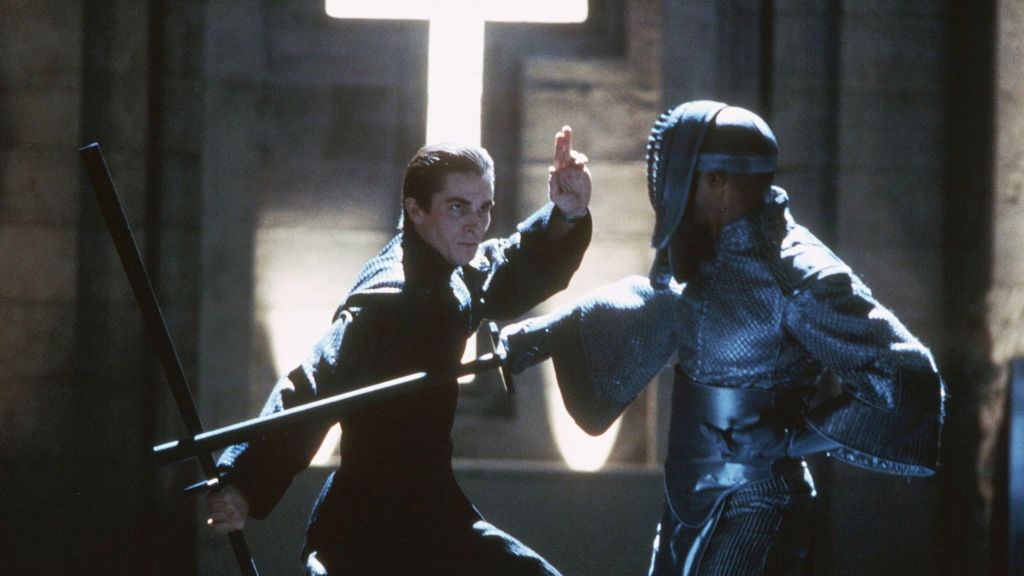
If you watched Equilibrium and had a good time with it, maybe that’s because it borrows a little bit from everything, but that doesn’t make it a bad film. This is one of the coolest productions in Christian Bale’s career, with the story set in Libria, a society where people are forced to take a drug that eliminates emotions. And John Preston (Bale), an agent responsible for hunting down anyone who refuses to follow that rule, eventually starts questioning the system he spent years defending, and now has to decide whether he will remain a tool of the government or finally reclaim the very thing his society tried to eliminate. The premise feels a lot like 1984 and Fahrenheit 451, while the action clearly rides the wave that The Matrix popularized, but this combination of influences comes together surprisingly well.
The gun kata, for example, is the kind of martial arts concept that could be ridiculous; something you’d only think was nice in a trailer, but the fights are so exaggerated and well-choreographed at the same time that they end up being one of the best things to watch. And Bale seems to understand exactly what kind of performance his character needs, since he starts out almost completely expressionless and then changes as Preston realizes just how much of his life has been controlled. Equilibrium is not a subtle movie by any means, but if you’re willing to go along with what it’s trying to do, you’re going to have a good time. It’s no wonder it has an 81% audience score compared to the critics’ 40% (who would probably have had a hard time getting on board with it, as they tend to take everything way too seriously).
1) Event Horizon
image courtesy of paramount pictures
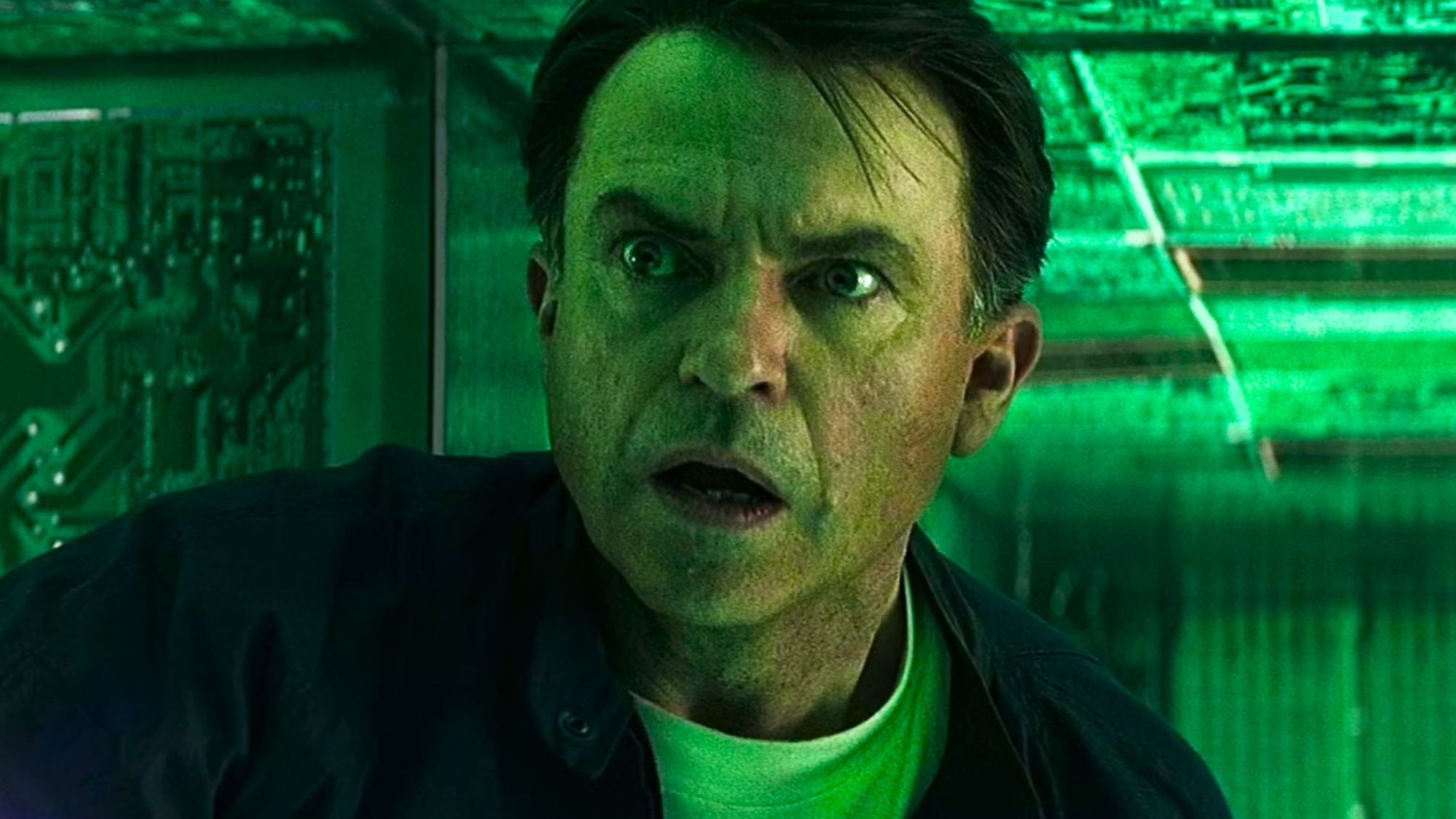
This is one of the biggest examples of how an initial critical reputation can change completely in the way fans remember a movie. Event Horizonfollows a crew sent to investigate a ship that disappeared during a mission and suddenly reappears years later without explanation, only to reveal that something terrible happened to its occupants. What would you expect from that? To follow the obvious path of an Alien-style space thriller, right? But this film takes a different route, because the ship isn’t just a place where the characters are trapped while some creature hunts them down; it becomes part of the problem, and the more the crew discovers about what happened, the worse things get, as the threat uses their fears, traumas, and regrets against them.
Even though horror is a fundamental part of the movie, it doesn’t turn into a collection of cheap scares, which is a good thing. And of course, it has its script problems too (mainly in the third act), but just like TRON: Legacy, certain details stand out: the feeling that the characters have ended up somewhere they were never supposed to be, only with that idea being handled much better than in other space horror films. Event Horizon knows how to grab your attention and keep it from beginning to end without much trouble, to the point that it has become almost timeless, with a new audience discovering it more recently. For a ’90s movie that was so poorly received at the time and has a 36% critics’ score, that is pretty impressive. It’s a cult classic.