요약
The FDA cleared Beta Bionics' Mint tubeless insulin patch pump. What the clearance covers, when it launches, and what people with diabetes should know.
본문

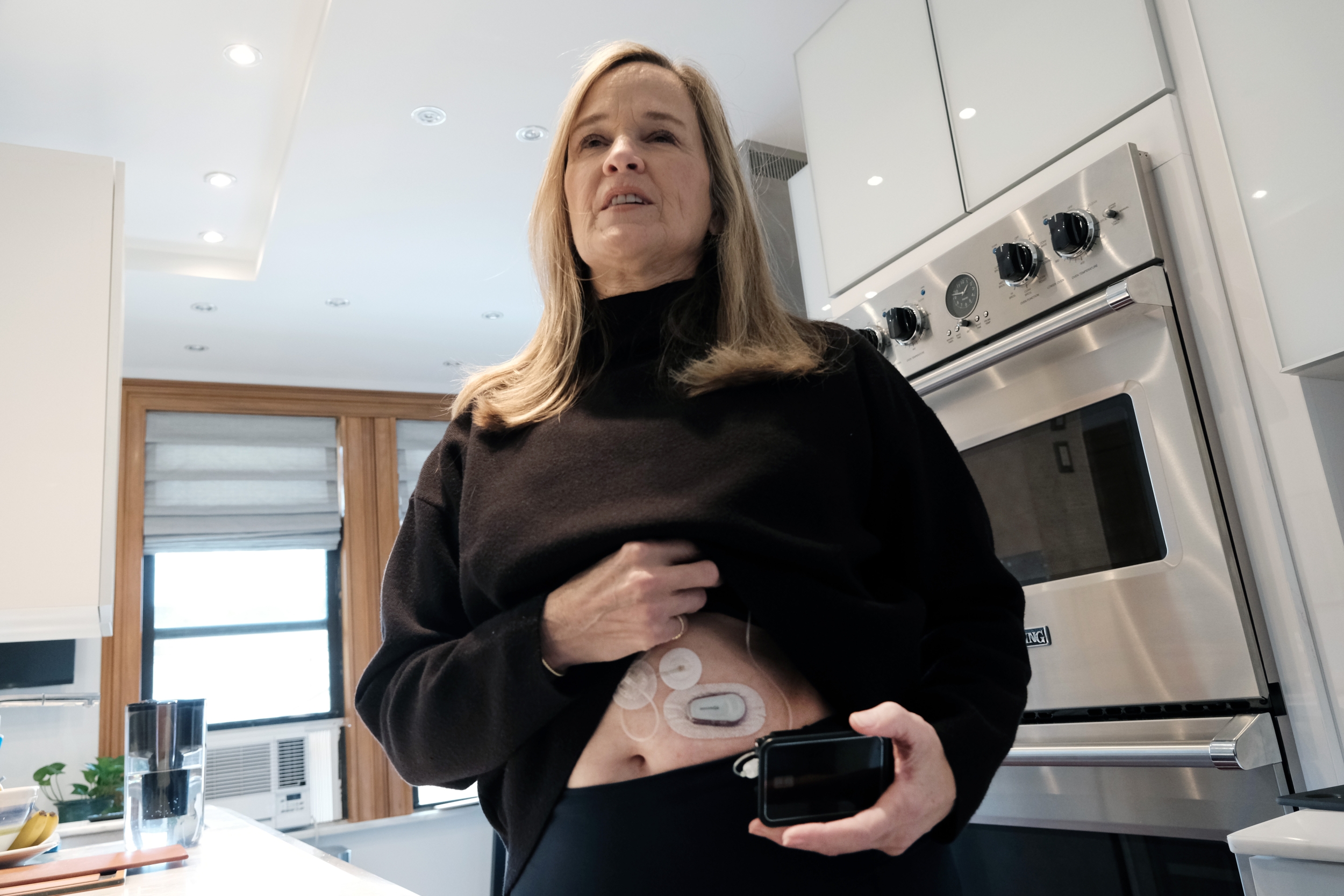
People with diabetes who want to manage insulin without tubing are getting another option, though not until next year. Beta Bionics announced Monday that the Food and Drug Administration has cleared Mint, the company's first tubeless insulin patch pump, and said it expects to begin a full U.S. commercial launch in the first quarter of 2027, according to the company's clearance announcement.
The FDA made its decision Friday, according to the agency's 510(k) database entry for the Mint pump, which lists the device as the Mint ACE Pump and shows that Beta Bionics submitted it on January 2. The company plans to sell Mint only through pharmacies and expects about 40% of insured Americans to be able to buy it with their pharmacy benefit at launch, rising to at least 50% within the first year.
For families managing diabetes, the news raises a practical question about whether to start a pump now or wait. The company itself expects some would-be customers to hold off. It lowered its 2026 revenue forecast to $121 million to $126 million, from $131 million to $136 million, citing a possible deferral of up to $10 million in fourth-quarter revenue as prospective iLet users wait for Mint.
A Clearance, Not a Full Approval
A 510(k) clearance means the FDA found that a device is substantially equivalent to a device already legally on the market. That differs from premarket approval, a stricter pathway used for many higher-risk devices that generally requires clinical evidence of safety and effectiveness. The clearance allows Mint to be marketed for its cleared uses.
The FDA database classifies Mint as an alternate controller-enabled insulin infusion pump, a category designed to work with compatible devices and dosing software. In May, Beta Bionics said it expected full commercialization by the end of the second quarter of 2027 and planned to pair Mint with its FDA-cleared adaptive dosing algorithm, the technology used in its tubed iLet system. The company now says the launch will come ahead of that target and that its current algorithm has been used by more than 40,000 people on iLet.
The newer software is a separate matter. Beta Bionics has submitted 3D Intelligence, a next-generation dosing algorithm, for its own 510(k) review. The company expects to sell it on iLet by the end of 2026 and on Mint at the 2027 launch, but both plans depend on FDA clearance, and the company describes those future versions as investigational.
Features Beta Bionics Says Mint Will Offer
According to the company, Mint uses a two-piece design with reusable and disposable parts, never needs recharging, and is controlled through an iPhone or Android app. Each disposable patch is designed for three days of wear plus a 12-hour grace period and holds 200 units of insulin. The company lists a waterproof rating for depths up to 5 feet for 60 minutes, and it notes that product specifications and features may vary.
The company says Mint is designed to work with the Dexcom G7, Dexcom G7 15 Day, and Abbott FreeStyle Libre 3 Plus continuous glucose monitors. The planned 3D Intelligence software would let clinicians choose among three settings: the original algorithm, an optimized version, and a conservative version meant to respond more gradually when correcting high glucose.
"Delivering choice is critical to the community we serve," Beta Bionics President and CEO Sean Saint said in the announcement. The company says it expects capacity to make at least 1.5 million disposable units in 2027, and it describes Mint as smaller than the industry-leading patch pump. Those are company statements, not independent findings.
Analysts see the clearance as competitive news. Leerink Partners analyst Mike Kratky wrote that the authorization should help level the playing field with Insulet, which has dominated new device starts with its patch pump, MedTech Dive reported. MedTech Dive has also reported that MiniMed, the diabetes business Medtronic is separating, has submitted its own patch pump for FDA clearance.
The company's regulatory record is also part of the picture. In February, MedTech Dive reported that the FDA had warned Beta Bionics about unreported complaints and pump changes. The clearance announcement did not address the warning letter, and MedicalDaily did not review the full letter.
Choosing a Pump Before Mint Reaches Pharmacies
Mint is not yet available, so no one should stop or change current insulin therapy because of this news. People considering a new pump can ask their endocrinologist or diabetes educator whether a patch pump fits their routine and whether their current glucose sensor would work with Mint.
Patch pumps may appeal to people who find tubing uncomfortable or easy to snag, though the right choice depends on skin sensitivity, insulin needs, and personal preference. Families of children should ask which ages Mint is cleared for, how patch changes work, and what training the company will offer at launch.
Coverage deserves an early phone call. Because Mint will be sold only through pharmacies, patients should ask their insurer whether insulin pumps fall under the pharmacy benefit or the durable medical equipment benefit, and what out-of-pocket costs apply. Company projections do not guarantee coverage under any individual plan.
Anyone using an insulin pump should know the warning signs of a delivery problem. An interruption in insulin can raise blood sugar quickly and may lead to diabetic ketoacidosis. Symptoms such as nausea, vomiting, abdominal pain, rapid breathing, fruity-smelling breath, or confusion need urgent medical care. Patients should also agree on a backup plan for insulin injections with a clinician before a pump problem happens.
Several details remain unknown. Beta Bionics has not published pricing, and it is unclear which algorithm will ship with Mint if the 3D Intelligence review is not finished by launch. No independent clinical studies comparing Mint with other patch pumps have been published.
The next milestones are an FDA decision on 3D Intelligence, the planned iLet rollout of that software by the end of this year, and the Mint launch in early 2027.
Read more Men Genetically Prone to Baldness Carry a 7 Percent Added Hair Loss Risk Tied to GLP-1 Biology Mounjaro Can Now Be Prescribed to Lower Heart Attack and Stroke Risk in Adults with Type 2 Diabetes People with the Most of This Sugar Substitute in Their Blood Had More Heart Attacks and StrokesKey Questions Answered
What did the FDA clear? The FDA cleared Mint, a tubeless insulin patch pump made by Beta Bionics, through the 510(k) pathway. The FDA database lists the decision date as September 11, and the company announced the clearance on September 14.
When can patients get Mint? Beta Bionics expects to begin a full U.S. launch in the first quarter of 2027. The pump will be sold only through pharmacies.
Is the new 3D Intelligence algorithm cleared? No. Beta Bionics has submitted it for a separate FDA review, and its use on iLet and Mint depends on that clearance.
Which glucose sensors will work with Mint? The company says Mint is designed to work with the Dexcom G7, Dexcom G7 15 Day, and Abbott FreeStyle Libre 3 Plus.
Will insurance cover Mint? The company expects about 40% of insured Americans to have pharmacy coverage at launch and at least 50% within a year. Individual coverage depends on each plan.
Should I wait for Mint instead of starting another pump? That decision depends on your health needs and should be made with your diabetes care team. Delaying needed treatment is not recommended.
Published by Medicaldaily.com