🔗 원문 전체 보기 → The Times of India
요약
Governments and tech giants are pouring hundreds of billions of dollars into building new data centres that can run and train AI tools such as chatbots, image generators and agents that can execute tasks. TSMC said its net profit for the first quarter of 2026…
본문
Synopsis
Governments and tech giants are pouring hundreds of billions of dollars into building new data centres that can run and train AI tools such as chatbots, image generators and agents that can execute tasks. TSMC said its net profit for the first quarter of 2026 rose a whopping 58.3% from a year ago to NT$572.5 billion ($18 billion). Agencies
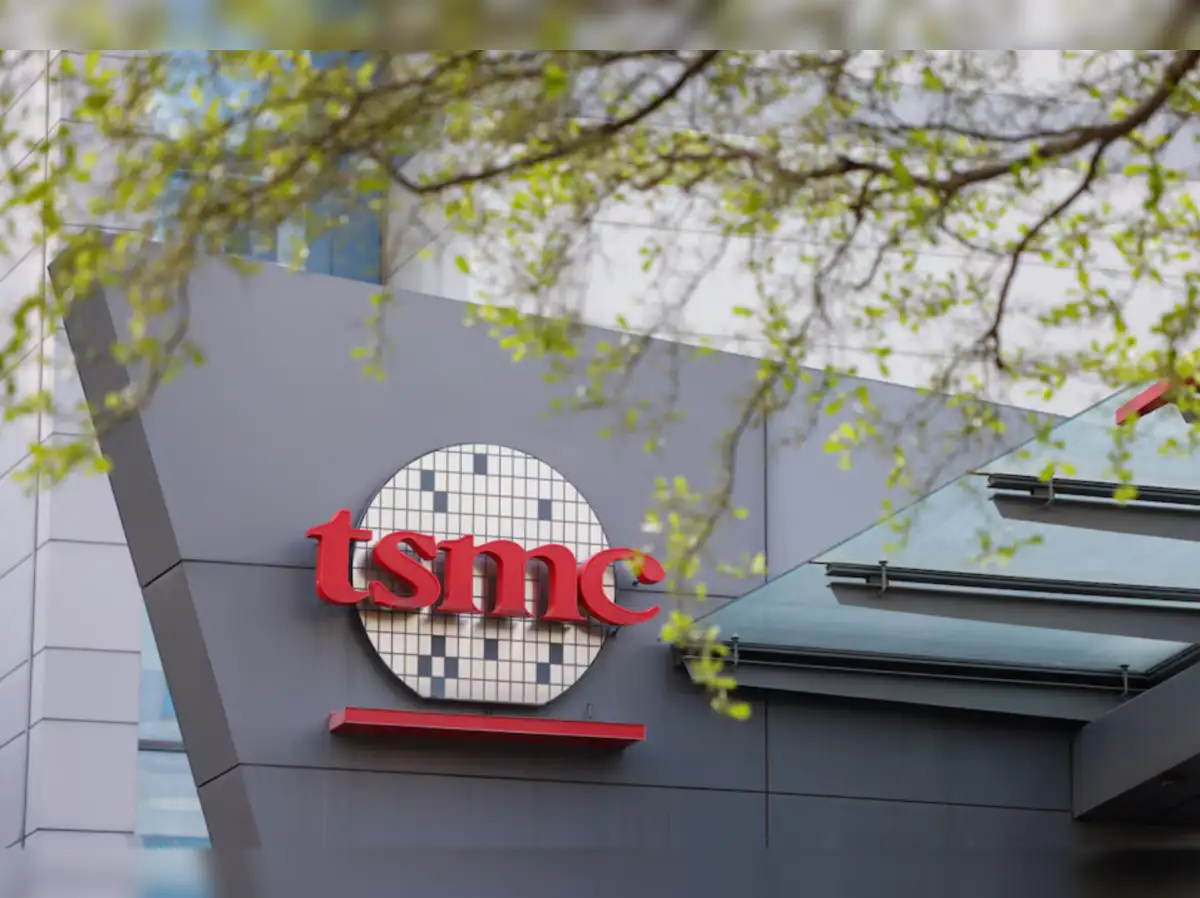
Massive global demand for AI hardware means business is booming for TSMC, the world's biggest contract maker of microchips used in everything from Apple phones to Nvidia's AI processors.
TSMC said its net profit for the first quarter of 2026 rose a whopping 58.3% from a year ago to NT$572.5 billion ($18 billion).
The figure trounced estimates of NT$540.20 billion in a Bloomberg survey of analysts.
Governments and tech giants are pouring hundreds of billions of dollars into building new data centres that can run and train AI tools such as chatbots, image generators and agents that can execute tasks.
Last month, Jensen Huang, head of top US chip designer Nvidia, said the entire tech world feels they could develop their AI and grow revenue "if they could just get more capacity".
Ahead of the earnings announcement, Ian Lyall at Proactive Investors said it appeared TSMC is "so deeply embedded in the AI supply chain that macro headwinds are struggling to leave a mark".
"Advanced-node chip production, the bleeding-edge manufacturing that only TSMC can reliably deliver at scale, is running at capacity," he noted.
TSMC is "supplying chips for artificial intelligence accelerators, next-generation smartphones, and the data centre build-out that is consuming capital at a pace that has surprised even its most bullish observers", Lyall said.
A weaker Taiwanese dollar had also boosted TSMC's revenues from overseas sales.
On Thursday, TSMC said net revenue for the first quarter came in at NT$1.13 trillion, up 35.1% year-on-year.
A note from UBS analysts had predicted strong quarterly results for TSMC but warned that consumer demand was weakening as a result of higher prices caused by a global memory chip shortage fuelled by the AI boom.
"Cloud AI demand continues to strengthen, but we think supply constraints will limit meaningful upside for TSMC this year," the UBS team said.
"Middle East tensions add a layer of macro uncertainty, but AI spend should stay insulated, barring a protracted conflict."
The UBS analysts predicted "limited disruption from tight helium supply on TSMC's production".
Helium gas is a key material in the chip supply chain, and Qatar -- one of the countries affected by the war in the Middle East -- is one of its few large-scale producers.
TSMC said Thursday it does not expect the war to impact its supply of chipmaking materials such as helium and hydrogen in the near term.
Add
 as a Reliable and Trusted News Source
 Add Now!
Read more news on
TSMCartificial intelligence technologyAI hardwaremicrochipsNvidiaTaiwanese chip manufacturerdata centres(Catch all the Technology News News, and Latest News Updates on The Economic Times.)
...more
Elevate your knowledge and leadership skills at a cost cheaper than your daily tea.
Why PNG for every kitchen remains a pipe dream amid LPG crunch 
Is private sector corruption free? Here's the reality... 
When flight costs more than cure: Air ambulance becomes an Iran war casualty 
Bold promises vs. hard proof: Indian IT faces an AI test this fiscal 
How the promised gains from ethanol blending of petrol evaporated 
These mid-cap stocks with ‘Strong Buy’ & ‘Buy’ recos can rally over 25%, according to analysts 
Capital market stocks: Time to change strategy? 10 stocks from different parts of the ecosystem 
Buy, Sell or Hold: DAM Capital initiates coverage on Orkla India; Citi maintains sell on Dr Reddy's Laboratories