요약
A wave of optimism swept through global markets after the U.S. and Iran reached a temporary ceasefire deal. Keep reading here.
본문

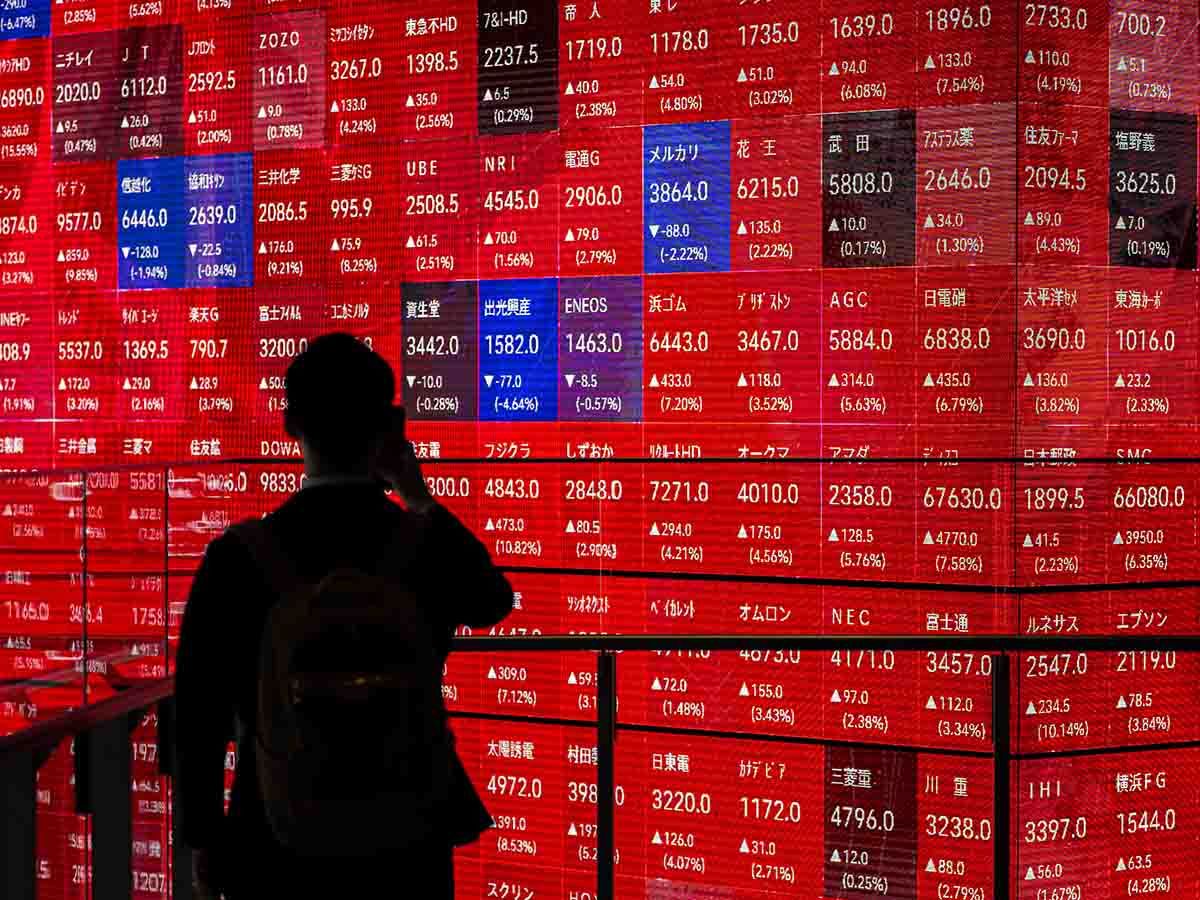
A wave of optimism swept through global markets, lifting stocks and bonds while driving oil toward its biggest plunge in six years after the United States and Iran reached a ceasefire deal.
Sign In or Create an Account
or View more offersArticle contentThe sharp rebound in risk appetite drove the S&P 500 up about 2.5 per cent. A tumble in oil to around US$93 eased concern about an energy crisis that could fuel inflation, reviving bets the Federal Reserve will cut rates this year. As the haven bid waned, the dollar dropped against all major currencies.
Article content We apologize, but this video has failed to load.Try refreshing your browser, or
tap here to see other videos from our team.Article content Story continues below This advertisement has not loaded yet, but your article continues below. Article content
The Dow Jones was up 1,138 points, and the TSX Composite index up more than 400 points by mid-morning Wednesday.
Article content InvestorThanks for signing up!
Interested in more newsletters? Browse here.
Article contentWall Street’s so-called fear gauge — the VIX — sank to pre-war levels. Airlines, which had been pummelled by fears of skyrocketing fuel prices, soared. Emerging-market shares were on track for their biggest advance since the onset of the pandemic. Bitcoin topped US$71,000.
Article contentJust about 90 minutes before President Donald Trump’s deadline for Iran to agree to a ceasefire and reopen the Strait of Hormuz, a two-week truce was announced. While there have been reports of ongoing regional hostilities, the accord helped ease worries about a global economic crisis.
Article contentIran has gone through a “regime change” and the U.S. will now discuss sanctions relief with the Islamic Republic, Trump said in a social-media post. “There will be no enrichment of uranium,” he noted — a reference to efforts by Washington and Israel to curb Iran’s nuclear programme.
Article contentThis strongly sets the stage for near-term peace in the Middle East, according to Chris Senyek at Wolfe Research.
Article content“While market price action is still likely to remain hostage to short-term news flow regarding traffic into and out of the Strait of Hormuz and any signs of a re-escalation, it’s become more and more evident that President Trump wants an off-ramp,” he said.
Article content Story continues below This advertisement has not loaded yet, but your article continues below. Article contentEven though there’s still uncertainty over how durable the ceasefire is, stocks can still move higher, according to Robert Edwards at Edwards Asset Management.
Article contentRead More-
 Oil and gas prices plunge after U.S. and Iran agree to ceasefire
 -
 Trump agrees to two-week ceasefire if Iran reopens Strait of Hormuz
 - Advertisement 1Story continues belowThis advertisement has not loaded yet, but your article continues below.
 Oil and gas prices plunge after U.S. and Iran agree to ceasefire
  Trump agrees to two-week ceasefire if Iran reopens Strait of Hormuz
 “Just the scent of thawing tensions is enough for forward-looking stocks to keep climbing the wall of worry,” he added.
Article contentA temporary truce in the war allowed global investors to begin to contemplate the restructuring of portfolios and a re-rotation of sector leadership in anticipation of a more long-lasting cessation of hostilities, according to Sam Stovall at CFRA Research.
Article contentHe noted that the response following the recession and bear market that coincided with Iraq’s invasion of Kuwait in 1990 may serve as a guide. Three months after oil prices peaked and then tumbled, the S&P 500 jumped 12.4 per cent.
Article content“What’s more, sector leadership rotated from defensive holdings back into cyclical groups,” Stovall added. “A similar rotation could take place this time around should the ceasefire be maintained.”
Article contentArticle content