요약
Decades of building layers of technical infrastructure and software services has been decades in the making – but is it about to unwind?
본문
The turn of the millennium saw the world of business and technology change dramatically, with new levels of productivity unlocked due to the wider availability of software applications. This explosion of opportunity didn't happen overnight; it was many years in the making and when everything finally clicked, it fuelled a generational boom.
"Six decades into the computer revolution, four decades since the invention of the microprocessor, and two decades into the rise of the modern Internet, all of the technology required to transform industries through software finally works and can be widely delivered at global scale"Brick by brick
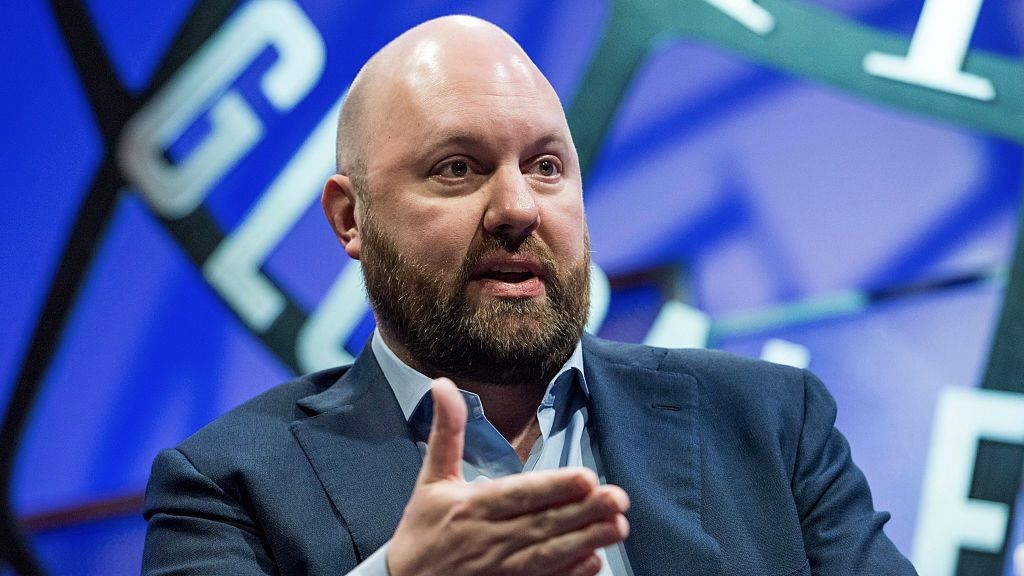
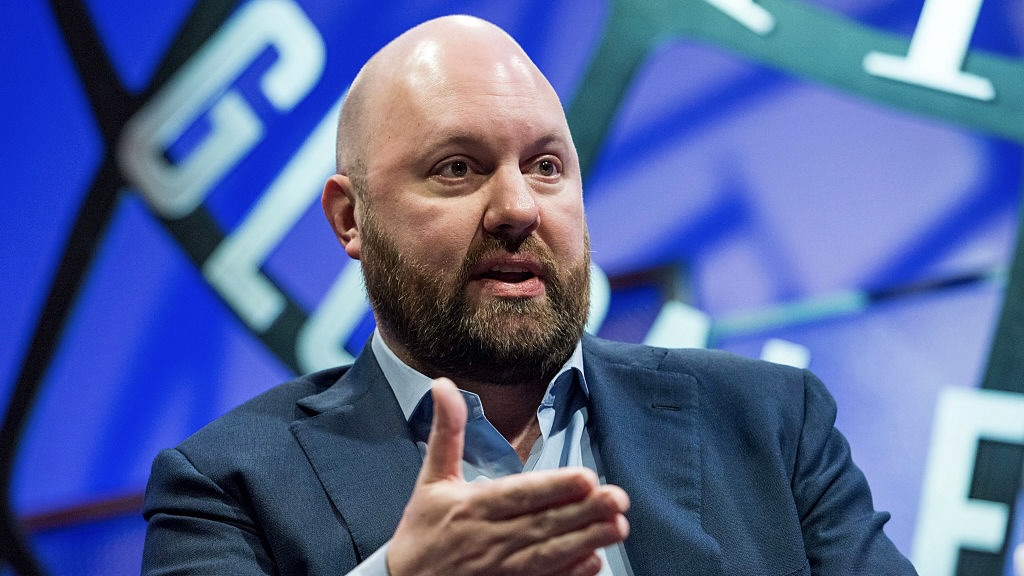
In his seminal essay in which he discussed the notion of software eating the world, Netscape co-founder Marc Andreessen also touched on all the breakthroughs that got us to where the world of software was at the time.
Quote of the dayThis article is part of TechRadar Pro's QOTD project to provide an insight into the minds of the brightest and most recognized figures in the technology industry today and in years gone by. Read the full series here.
He highlighted that the software as a service (SaaS) boom would not have been possible without plenty of work behind the scenes, including the infrastructure of the internet and the rise of modern computing. Businesses, at the time, were only beneficiaries of the raft of accessible services because of the graft that had gone into laying the foundations.
Latest Videos FromTechRadarWatch full video here:During this time, traditional companies were being disrupted by software-driven competitors that adopted these technologies, with this approach a fixture for at least the next decade in the business world.
Disrupting the disruptors
While this thesis remained intact for many years, it's fair to see things are crumbling under the weight of large language models in the latter half of the 2020s. Instead of humans using software to perform functions at work, these tasks can now be offloaded in a way that was never previously possible.
The years that have gone into building sophisticated software systems are also giving way to a rise of clones that people don't have to necessarily buy, but that they can build themselves by using an AI chatbot.
Similarly, the model of businesses commanding humans who leverage software is being replaced with a regime in which these functions are considered agentic resources that can be deployed.
Are you a pro? Subscribe to our newsletter TOPICS
Keumars Afifi-Sabet is a freelance contributor for Tech Radar and the Technology Editor for Live Science. He has written for a variety of publications including ITPro, The Week Digital and ComputerActive. He has worked as a technology journalist for more than five years, having previously held the role of features editor with ITPro. In his previous role, he oversaw the commissioning and publishing of long form in areas including AI, cyber security, cloud computing and digital transformation.
You must confirm your public display name before commenting
Please logout and then login again, you will then be prompted to enter your display name.
LATEST ARTICLES- 1 'While attackers use AI to create better phishing lures, today's cybercrime tools do much more': Experts warn 'TheMailer' AI phishing kit runs on Claude and ChatGPT — and constantly evolves until it gets past your spam filter
- 2 150+ Best Black Friday deals 2026 — record-low prices on LG OLED TVs, AirPods, Sony XM6, Ring doorbells and more
- 3 No Starlink, no problem: Ukraine's strikes on Kerch bridge made possible using UAV repeaters and an Israeli/Italian satellite comms system that swaps Elon Musk's constellation for European satellites
- 4 Polish Elite troops went 'low-tech' to evade drones and special techniques that 'can't be shared' to launch a devastating 'attack' on US forces in war games
- 5 'Remember, there is a lot of stuff in our critical infrastructure that’s unpatchable': Microsoft CEO Satya Nadella warns more outages of key networks could be coming