요약
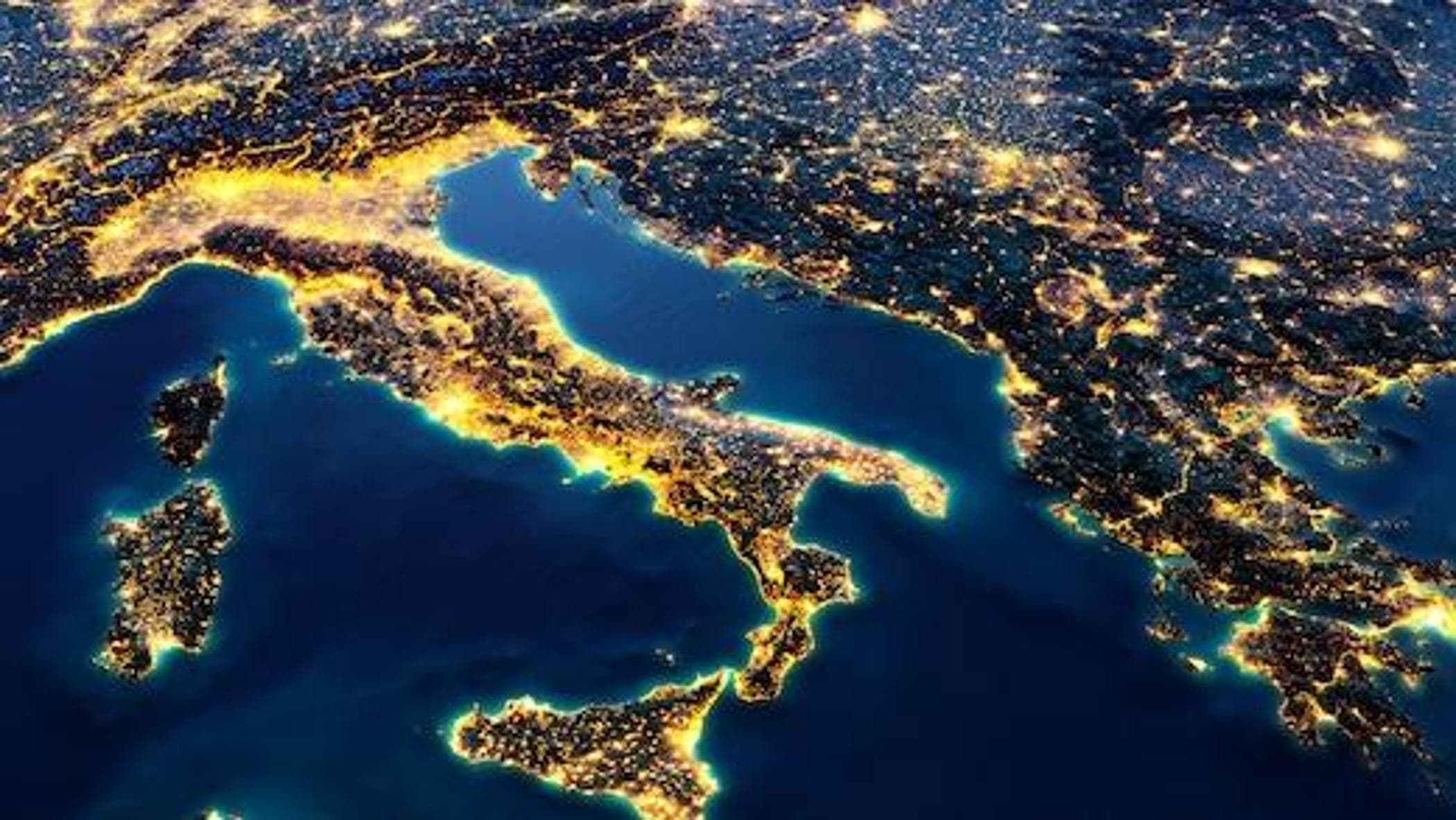
Light pollution from ports and coastal cities is threatening marine life. An international study explains why Italy tops the European rankings for exposure to artificial light at night. Scientists are now calling for dark zones along the coast
본문
23 October 2026 at 08:51 3 min readItaly's coastline is too brightly lit at night. Light pollution from ports and cities is becoming a threat to marine ecosystems.
Artificial light does not stop at the shoreline: it spreads from land into the sea, disrupting the biological rhythms, feeding habits and movements of numerous marine species, as well as altering interactions between predators and prey.
A heavily developed coastline
The effects can extend to fish, planktonic organisms and sea turtles, potentially upsetting the delicate balance of marine ecosystems.
One of the most vulnerable areas is the Adriatic Sea. Its coastline is heavily urbanized, largely because of tourism, with dozens of seaside towns and cities interspersed with ports, beach resorts and other infrastructure. At night, it becomes a continuous ribbon of light stretching from north to south.
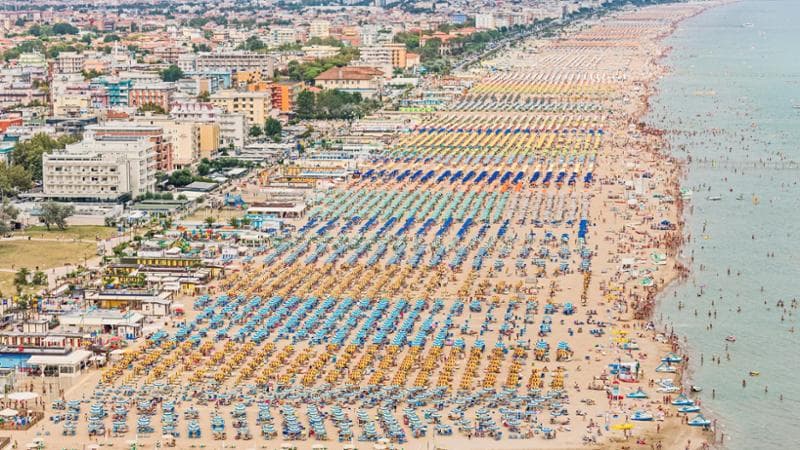
An international study led by the University of Plymouth, with contributions from the University of Pisa and Italy's Institute for Environmental Protection and Research (ISPRA), ranks the Adriatic as the European marine region facing the greatest risk of exposure to artificial light at night, ahead of the Baltic Sea and the western Mediterranean.
Published in the journal Ocean & Coastal Management, the research is the first systematic assessment of the risks posed by artificial light at night to Europe's marine ecosystems.
The risks of artificial light
"Although years of research have repeatedly shown that light pollution significantly affects many important coastal species, it has not, until now, been taken into account in global policies," explains Professor Thomas Davies of the University of Plymouth.
Perhaps it is no coincidence that the study comes as the European Union reviews its Marine Strategy Framework Directive, introduced in 2008 to protect marine ecosystems and biodiversity.
How water clarity affects light penetration
The new assessment places the Adriatic at the top of Europe's risk rankings.
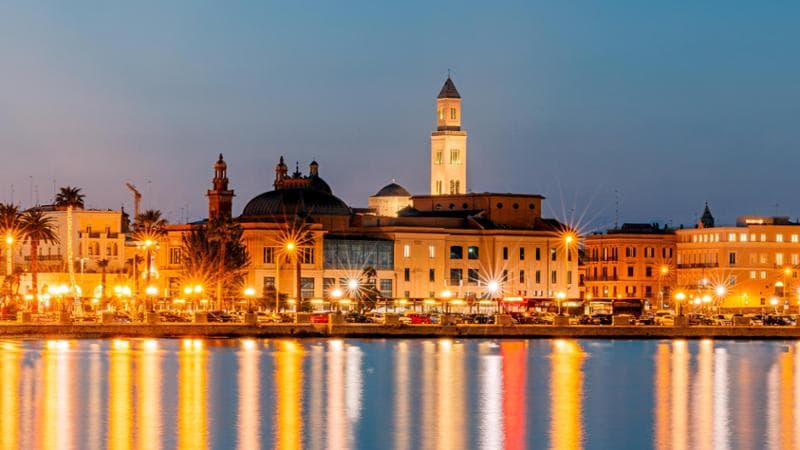
Researchers divided Europe's marine regions into four categories — no risk, low, moderate and high — assessing the water column and seabed separately.
To map the most vulnerable European waters, scientists drew on existing datasets, including information from a global atlas of artificial light pollution at night.
They then developed a framework for assessing "Good Environmental Status" in relation to marine light pollution, a factor for which no specific assessment criteria had previously existed in European waters.
Their method combines two factors: the amount of artificial light generated by cities and coastal settlements, and the clarity of the water. The latter is crucial because it determines how deeply light can penetrate below the surface.
Enclosed seas face the greatest risks
Geography is one of the main reasons the Adriatic is particularly vulnerable.
According to the study, seas that are largely enclosed by land tend to become more exposed to artificial light, especially when surrounded by densely populated coastlines.
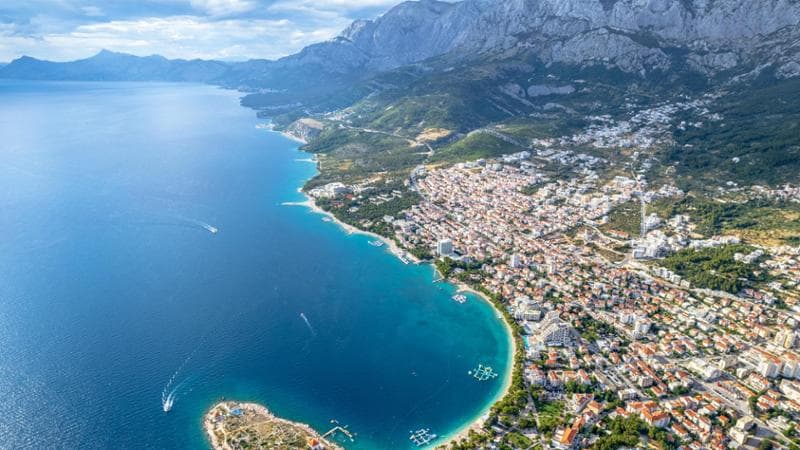
That is the case for the Adriatic, the Baltic and the western Mediterranean, which occupy the top three places in the rankings.
They are followed by the North Sea, the Aegean-Levantine region, and the Ionian and central Mediterranean.
Further down the list come the Black Sea, the Sea of Azov, the Bay of Biscay and Iberian coast, the Celtic Seas, the White Sea, the Norwegian Sea, the Iceland Sea and the Barents Sea.
The lowest risk was recorded in Macaronesia, an Atlantic region that includes the Canary Islands, the Azores and Madeira.
In relatively enclosed seas, light from cities, ports and other coastal infrastructure can affect larger stretches of the marine environment. In open-ocean regions, exposure generally tends to decrease.
There are, however, important exceptions.
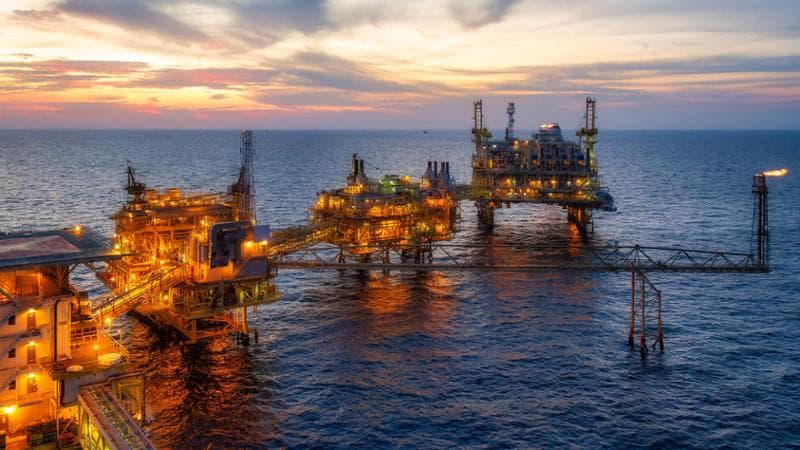
British waters in the North Sea and Celtic Seas are predominantly classified as facing moderate or low risk, but oil and gas fields in the North Sea, together with their associated infrastructure, generate substantial artificial illumination even far from major coastal cities.
Until now, one obstacle to regulation has been the perceived lack of sufficient scientific evidence on which to base new rules.
But according to the authors of the international study, that has changed. Their findings, combined with knowledge accumulated over the past decade, now provide "clear evidence of risk and harm that urgently needs to be translated into concrete action".
"We now have substantial evidence that artificial light at night can affect marine organisms and ecological processes," says Elena Maggi, professor of ecology at the University of Pisa and coordinator of the AquaPLAN project.
"A key challenge is to translate this knowledge into approaches that allow us to identify where ecosystems are most at risk."
Shielding or switching off the lights
The research also identifies a range of measures that could help reduce marine ecosystems' exposure to artificial light.
These include shielding light sources, reducing lighting intensity, switching off lights during certain hours of the night and changing the wavelengths used so that less light penetrates the water.
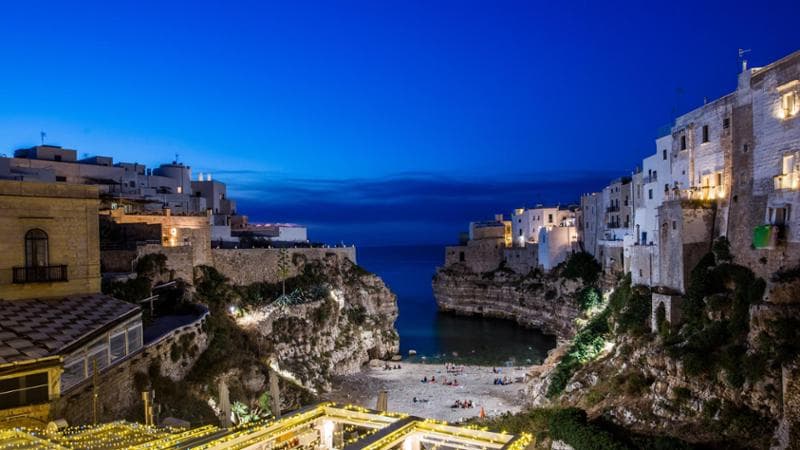
In the most heavily affected tourist areas, the researchers also propose creating dark zones along coastlines and around islands.
The aim is to turn marine light pollution from an issue that has received relatively little attention in environmental policy into a measurable factor that can be compared across regions and taken into account in the management and protection of marine ecosystems.
This article was reviewed by an external translation partner