One of the best things about sci-fi is that it loves asking questions about the future, space, and the limits of science — but that doesn’t mean every movie is interested in coming up with plausible answers. So, sometimes, you’re just going to have to accept …
본문
One of the best things about sci-fi is that it loves asking questions about the future, space, and the limits of science — but that doesn’t mean every movie is interested in coming up with plausible answers. So, sometimes, you’re just going to have to accept a pretty illogical idea and move on. There’s nothing wrong with that either, since some of the most fun movies are the ones where scientific logic takes a back seat. Sometimes, it’s easier to enjoy a good story when you stop trying to figure out if everything would actually work, because while movies can be great at explaining something, sending a message, or reflecting reality, one of their main goals is still to entertain.
Videos by ComicBook.com
Some sci-fi films even take a more serious approach, but inevitably have to make a few concessions to keep the plot moving. That doesn’t mean we should always ignore them, but there are some features where doing so makes it much easier to really enjoy the experience instead of walking away frustrated. Here are 5 examples that show how embracing the absurd can be part of the fun.
5) Moonfall
image courtesy of lionsgate
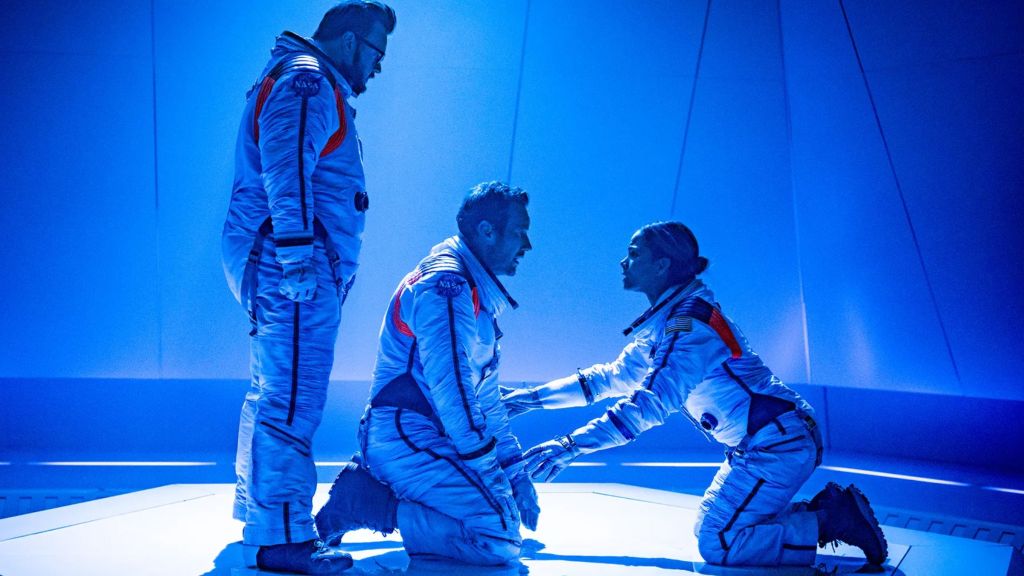
Moonfall pretty much begs you not to ask too many questions and just trust it. Right from the start, its premise is so crazy that it already asks you to do exactly that, claiming the Moon has been knocked out of its orbit and is moving closer to Earth, causing global disasters. But that’s only the beginning, since the story soon reveals the Moon isn’t a natural satellite at all, but a gigantic artificial structure created by an alien civilization. Then, to make the whole thing work, you get AI, extraterrestrial technology, and a massive conspiracy thrown into the mix. It’s not exactly easy to defend, especially because this is sci-fi and not fantasy, but it’s a good example of how sometimes something can be so bad that it’s actually good.
Moonfall treats the idea of an artificial Moon with the same seriousness that another blockbuster might give to a much more conventional threat. Of course, there are dozens of questions about the physics, the technology, and the story itself that can make you stop and think, but overall, the movie isn’t asking you to believe that all of this could actually happen. Just accept the crazy idea of the Moon and go along for the ride (the director himself even acknowledged how absurd the concept was), because it can be worth it. You’ll have a pretty fun experience.
4) Armageddon
image courtesy of buena vista pictures
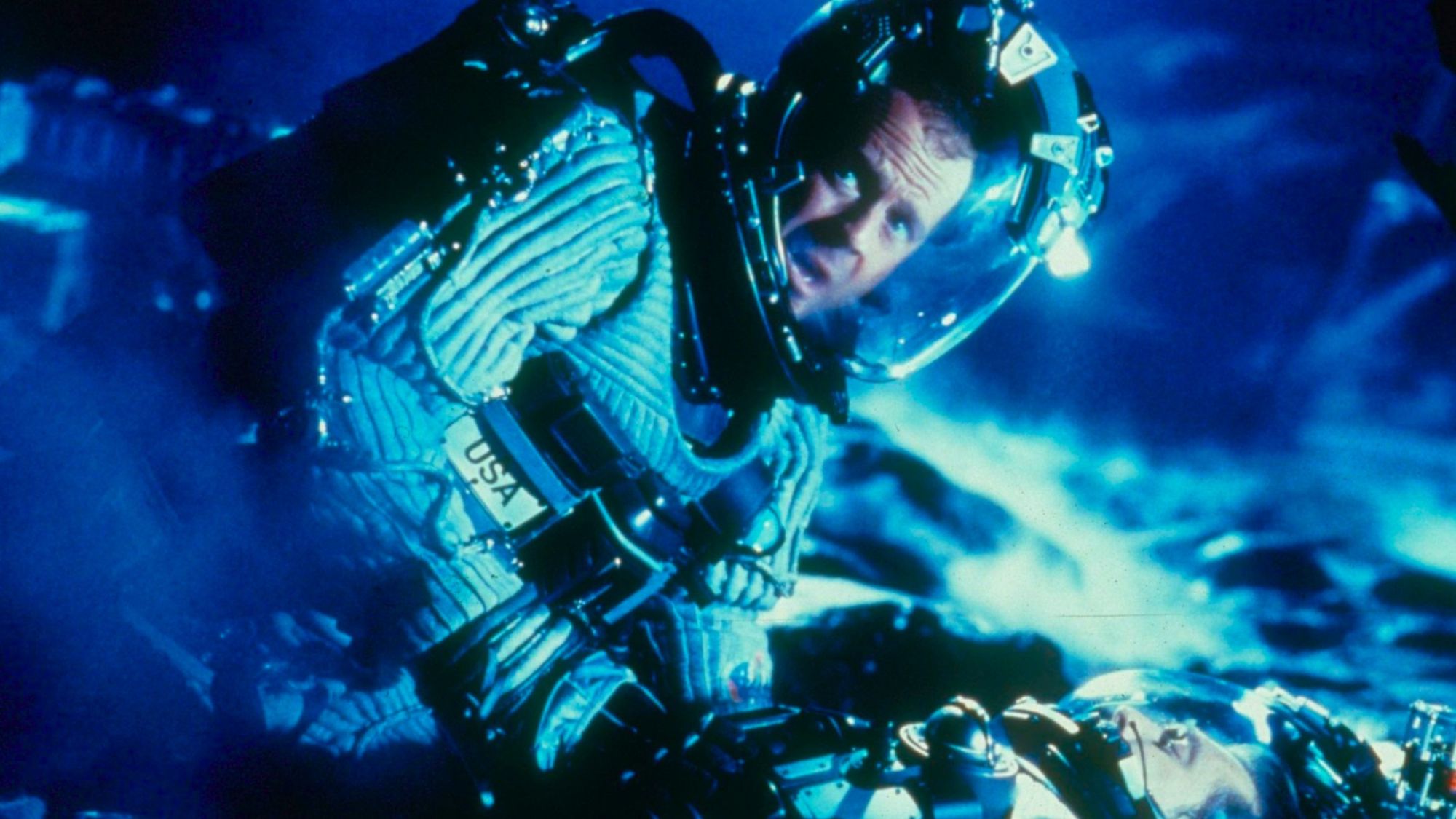
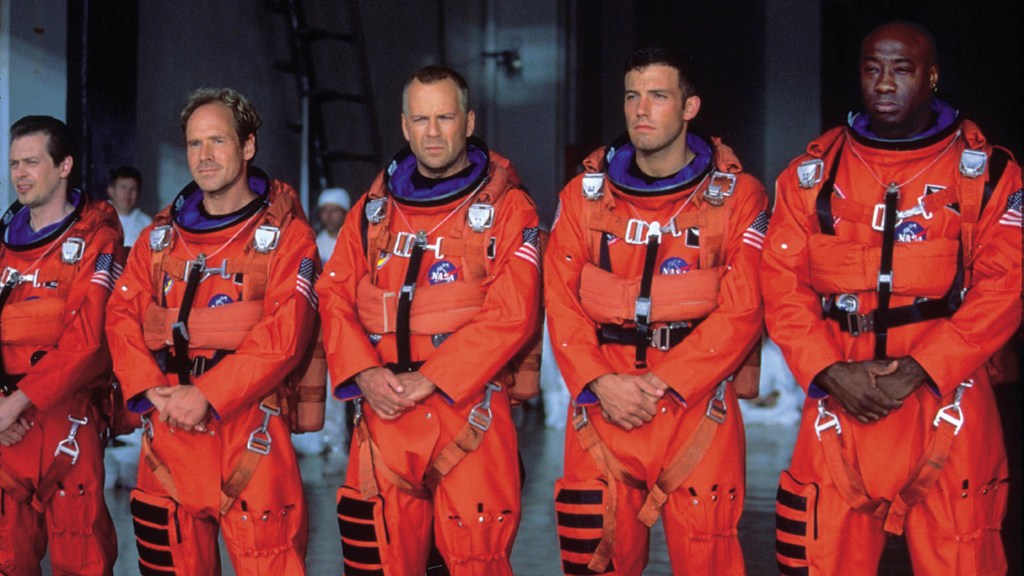
The late ’90s gave us Armageddon, one of the most talked-about sci-fi movies of the decade, and yes, that’s because it was basically made to get people talking, with an all-star cast, an easy-to-understand problem, huge special effects, nonstop action, humor, romance, music, and an emotional ending. The story centers on NASA discovering that a massive asteroid is heading straight for Earth, and the solution is to send a team of oil drillers into space. They have to land on the asteroid, drill into its surface, and plant a nuclear bomb inside it before it wipes out humanity. Does that make sense? No. And that gamble is so strong the entire mission feels like an emotional roller coaster set in space.
The idea that NASA would have to rely on a team of drillers because they would be better suited for the job than trained astronauts is hard to take seriously, and the sheer number of things that need to go right for the plan to work only makes it more ridiculous. However, Armageddon isn’t trying to be a physics lesson, nor is it trying to be complicated — it just wants to be a blockbuster, and that’s it. If you start thinking about all the reasons why the mission would probably be a disaster in real life, the magic is gone. But if you simply accept that, in this universe, a group of oil workers is humanity’s last hope, the movie becomes one of the most fun rides to experience. Forget reality 100% here.
3) 2012
image courtesy of sony pictures
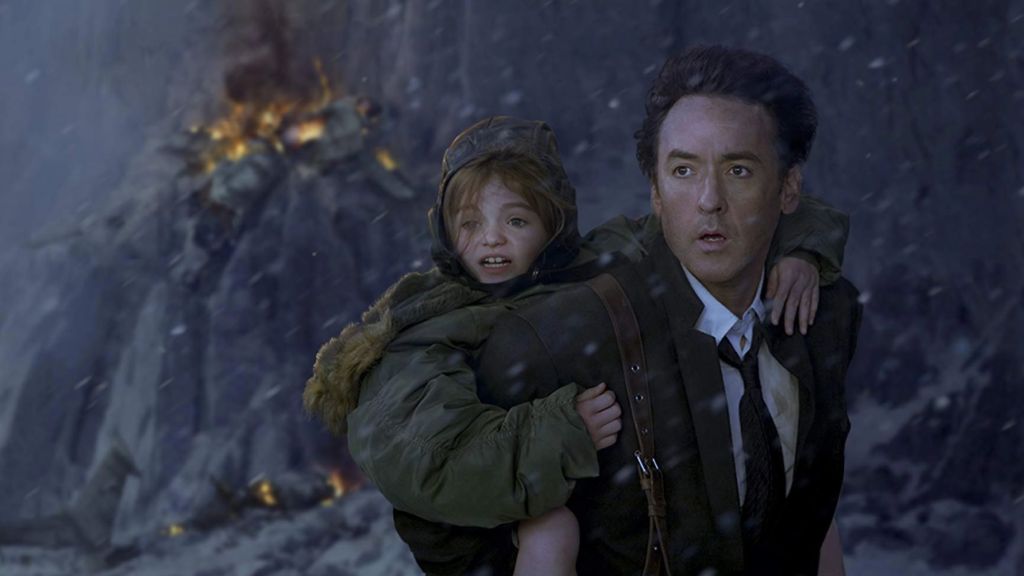
The world has had plenty of moments when humanity has wondered about its own end, so Hollywood decided to talk about it a little with 2012. It’s basically a disaster film, but it also has plenty of sci-fi mixed with action to explain the apocalypse. In this story, we meet Jackson Curtis (John Cusack), a writer who discovers that a series of phenomena linked to the Sun are heating up the Earth’s core and triggering a chain reaction that could wipe out humanity. So, governments secretly build massive arks to save part of the population, while Jackson just wants to find his children and ex-wife before the planet literally starts falling apart.
Los Angeles is destroyed by earthquakes, Yellowstone erupts, tsunamis swallow entire cities, and the Earth’s crust starts shifting. The funny thing is that it’s literally one colossal disaster happening after another, so when the protagonist manages to escape a collapsing city and then gets away on a plane from a destroyed runway, he soon finds himself surviving a gigantic wave — his survival depends much more on plot convenience than anything else. But if you focus too much on questioning the geology, the neutrinos, or how anyone could really survive these situations, you’ll find problems in practically every scene. 2012 is only truly great when you buy into the idea of watching how many different ways the planet can be devastated in two and a half hours.
2) Ad Astra
image courtesy of 20th century studios
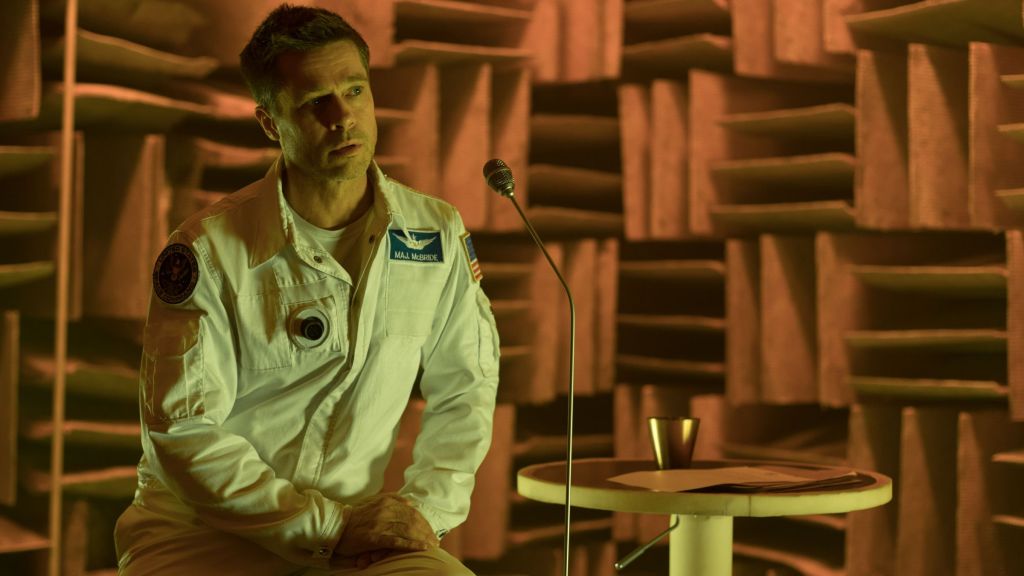
Well-received by critics, but not quite as interesting to audiences, Ad Astra makes a huge effort to feel like a more realistic sci-fi movie. The story follows Roy McBride (Brad Pitt), an astronaut sent to investigate the disappearance of his father, Clifford McBride (Tommy Lee Jones), a scientist who years earlier led a mission to Neptune. Then, when strange energy surges begin threatening Earth, Roy discovers that his father’s work may be connected to the phenomenon and sets off on a journey across the Solar System that takes him from Earth to the Moon, from Mars all the way to the far reaches of space. Along the way, though, some liberties are hard to ignore if you’re treating the film as an accurate depiction of space travel.
The good thing about the movie is how well it creates that realistic atmosphere, but what’s curious is that this is exactly what makes its conveniences stand out even more: Roy manages to travel enormous distances across the Solar System in a way that kind of works for the pace of the story, but would be much more complicated in reality; and some of the action sequences also seem to follow what the script needs more than the actual laws of physics. And is that a problem? Not really, because Ad Astra is much more interested in the relationship between Roy and Clifford. The journey to Neptune is, ultimately, an excuse to take the character farther away from home and force him to confront what he inherited from his father.
1) Sunshine
image courtesy of fox searchlight pictures
Sunshine is a particular case, as it had everything it needed to be great from beginning to end. But try to turn off your brain, and then you’ll get an incredible sci-fi movie (although its biggest problem is the plot twist). The story takes place in 2057, when the Sun is dying, and Earth starts facing the consequences of a planet that is slowly freezing. Humanity’s last hope is the crew of the Icarus II, sent directly toward the Sun. From there, the movie follows the astronauts as they try to complete their mission and deal with the problems that come up along the way, including the remains of the previous mission, the Icarus I. At first, everything seems very carefully thought out and much closer to something that could actually feel realistic — until you understand what the plan to save the Sun is.
Besides taking other liberties with physics and space travel, the movie asks you to accept that a bomb can be used to save a star, explaining that some kind of hypothetical particle is interfering with the Sun’s fusion process. The bomb is then supposed to destroy this anomaly and allow the star to return to normal. The good news is that Sunshine at least knows how to create a very convincing presentation, so if you can’t quite do that on your own, the movie at least tries to help. Once you buy into the idea, it becomes one of the most interesting survival thrillers set in space.