
요약
Off-price apparel stores selling new clothing at discounts of up to 90% are attracting growing interest in Japan as prolonged inflation pushes consumers to seek cheaper alternatives, with Geo Holdings planning to increase its Luck Rack chain roughly tenfold t…
본문
Business Retailers Expand Discount Fashion Business Aug 04, 2026 | News On JapanTOKYO - Off-price apparel stores selling new clothing at discounts of up to 90% are attracting growing interest in Japan as prolonged inflation pushes consumers to seek cheaper alternatives, with Geo Holdings planning to increase its Luck Rack chain roughly tenfold to 500 locations by fiscal 2035.
Unlike secondhand stores, off-price retailers sell unused merchandise acquired from manufacturers and brands that are holding surplus inventory or out-of-season products. The stores buy such goods in large quantities and offer them at substantial discounts.
The business resembles outlet retailing because both formats sell new products at reduced prices, but their merchandise and operating models differ.
An outlet operated by a particular fashion company generally sells only that company's products, including older models and items manufactured specifically for outlet stores. Off-price stores, by contrast, carry products from multiple brands in a format similar to a select shop.
Outlet stores are often located in large suburban shopping malls, while off-price outlets can also operate in railway station buildings and other urban commercial facilities without requiring extremely large premises.
The format is well established in the United States, where chains including TJ Maxx and Ross Dress for Less operate stores across the country. Their constantly changing and sometimes loosely organized selections encourage customers to search for unexpected bargains, creating what is often described as a treasure-hunt shopping experience.
In Japan, Geo Holdings, which also operates the Second Street chain of secondhand clothing and merchandise stores, is expanding Luck Rack as its main off-price business.
Luck Rack sources apparel and household goods from more than 700 manufacturers and sells them at discounts generally ranging from 30% to 90%. Its selection includes products from well-known brands such as Nano Universe and Diesel.
The chain currently has more than 50 stores, and Geo aims to expand the network to 500 by fiscal 2035. A larger store base would strengthen the company's bargaining power when purchasing surplus inventory from suppliers.
Geo is also expanding Second Street, which has more than 1,000 stores in Japan and overseas. The company aims to increase the combined network to 2,500 locations by fiscal 2035.
Demand for lower-priced clothing is expected to remain strong as apparel costs rise. Children's clothing is seen as a particularly promising category because children quickly outgrow garments, making lower prices especially attractive to families.
However, the steep discounts available at off-price stores also highlight the large volume of clothing that remains unsold and risks being discarded.
The apparel industry traditionally produced goods in large quantities and attempted to clear remaining inventory through seasonal sales. In recent years, surplus stock and unsold clothing have become increasingly serious financial and environmental problems.
Fast-fashion companies such as Zara and Shein have sought to minimize excess inventory by using artificial intelligence to forecast demand, producing goods in smaller batches and releasing new products rapidly to keep supply chains moving.
Another Japanese off-price chain, Locust, is operated through a joint investment involving Pal Group Holdings, the company behind the 3COINS retail chain, and a major trading company.
Locust receives numerous requests from fashion brands seeking buyers for surplus merchandise. Some brands reportedly hold inventories totaling as many as 300,000 items.
The company publishes monthly figures showing the volume of clothing it has prevented from being discarded. The amount of apparel sold through the chain reached 619 tons in fiscal 2025.
Off-price stores may appeal to consumers who want lower prices but prefer new clothing to used goods. The combination of rising living costs and growing concern over waste is expected to support further expansion of the business.
Although Japan's off-price retail market is still considered to be in its early stages, the growth of established U.S. chains suggests substantial potential. The parent companies of TJ Maxx and Ross Dress for Less have each seen their share prices rise roughly threefold to fourfold over the past decade.
As consumers increasingly share bargain discoveries on social media, searching off-price stores for hidden finds could develop into a shopping trend similar to visiting multiple Second Street locations in pursuit of rare secondhand items.
Source: Kyodo
 POPULAR NEWS
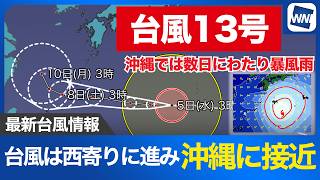
Slow-Moving Typhoon No. 13 Could Batter Okinawa for Days
A large and very strong Typhoon No. 13 (Dolphin) was moving west over waters south of Japan as of 3 a.m. on August 5, after passing closest to the Ogasawara Islands the previous afternoon, with forecasters warning that Okinawa could face several days of violent winds and heavy rain as the storm slows near the region.
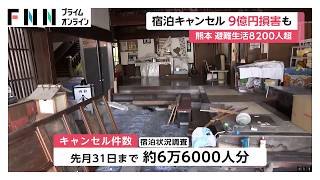
Kumamoto Earthquake Death Toll Rises to 38 as More Than 8,200 Remain Evacuated
The death toll from the Kumamoto earthquake has risen to 38, while more than 8,200 people remained in evacuation shelters on August 4, one week after the disaster struck.

Japan Plans Stricter Permanent Residency Rules for Foreign Nationals
Japan's Immigration Services Agency on August 4 released draft guidelines that would tighten the requirements for foreign nationals seeking permanent residency, including new income and pension standards designed to ensure applicants have economic conditions equal to or better than those of Japanese people.

Haneda Airport Tightens Baggage Check-In Rules
Six airlines, including All Nippon Airways, Japan Airlines and Air Do, will move the baggage check-in deadline for domestic flights at Haneda Airport to 30 minutes before departure from September 1.

Iran Conflict Enters New Phase as Energy Risks Spread
The conflict involving Iran, the United States and Israel may be entering a more dangerous phase, with Tehran appearing increasingly willing to initiate attacks rather than merely respond to US strikes, while disruptions around the Strait of Hormuz threaten oil and liquefied natural gas supplies worldwide.
MEDIA CHANNELS


 MORE
Business
NEWS
MORE
Business
NEWS

Japan's Agricultural Exports Hit Record High as Green Tea Surges 83.5%
Japan's exports of agricultural, forestry and fishery products and food reached a record 897.7 billion yen in the first half of 2026, rising 10.9% from a year earlier as global demand for green tea surged, the Ministry of Agriculture, Forestry and Fisheries said on August 4.

Nikkei Edges Higher as AI Buying Offsets Yen Intervention Caution
Tokyo stocks edged higher on August 4, with the Nikkei 225 closing at 63,957.53, up 202.63 points, or 0.32%, as buybacks in artificial intelligence and semiconductor-related shares helped offset caution over further yen-buying intervention and a weaker tone in some exporters.

Inside Suntory’s Intelligence Unit
Suntory Holdings is turning to a specialized corporate intelligence unit led by a former Mitsubishi Corporation researcher to assess the duration of Iran’s effective blockade of the Strait of Hormuz and protect supply chains threatened by soaring energy and raw-material prices.

Nissan Posts First Quarterly Profit in Two Years
Nissan Motor returned to profitability in the April-June quarter of 2026, posting net income of 3.761 billion yen as cost-cutting measures and a weaker yen helped the struggling automaker end eight consecutive quarters of losses.

Retailers Expand Discount Fashion Business
Off-price apparel stores selling new clothing at discounts of up to 90% are attracting growing interest in Japan as prolonged inflation pushes consumers to seek cheaper alternatives, with Geo Holdings planning to increase its Luck Rack chain roughly tenfold to 500 locations by fiscal 2035.

Nikkei Falls as Joint Yen Intervention Hits Exporters
Tokyo stocks fell on August 3, with the Nikkei 225 closing at 63,445.53, down 1.4%, as electronics and auto shares were sold after coordinated U.S.-Japan yen-buying intervention drove the currency sharply higher, cutting into the weak-yen support that had underpinned exporters.

Business Sentiment Worsens Among Japanese Companies in China
Business sentiment among Japanese companies operating in China deteriorated in the first half of 2026, with 44% reporting that conditions had worsened or somewhat worsened as tensions between Japan and China weighed on corporate confidence.

Nikkei Jumps 2,494 Points as BOJ Hold and AI Rebound Lift Tokyo
Tokyo stocks surged on July 31, with the Nikkei 225 closing at 64,362.02, up 2,494.59 points, as a sharp rebound in Asian semiconductor shares and strong U.S. technology earnings outweighed caution over the Bank of Japan’s decision to keep interest rates unchanged while warning that inflation risks remain tilted to the upside.
< 2 3 4 5 >