요약
Mitsubishi Electric Corp. seeks to reach a deal by September with rivals Toshiba Corp. and Rohm Co. to combine their power semiconductor operations.
본문

(Bloomberg) — Mitsubishi Electric Corp. seeks to reach a deal by September with rivals Toshiba Corp. and Rohm Co. to combine their power semiconductor operations.
Sign In or Create an Account
or View more offersArticle contentThe move would consolidate three of the world’s top suppliers of a growing segment of the electronics supply chain, which has been supercharged by the rush to build infrastructure for artificial intelligence work. Power-regulation chips are growing in importance as systems like Nvidia Corp.’s next-generation Vera Rubin platform increase in complexity and power consumption.
Article content We apologize, but this video has failed to load.Try refreshing your browser, or
tap here to see other videos from our team.Article content Story continues below This advertisement has not loaded yet, but your article continues below. Article content
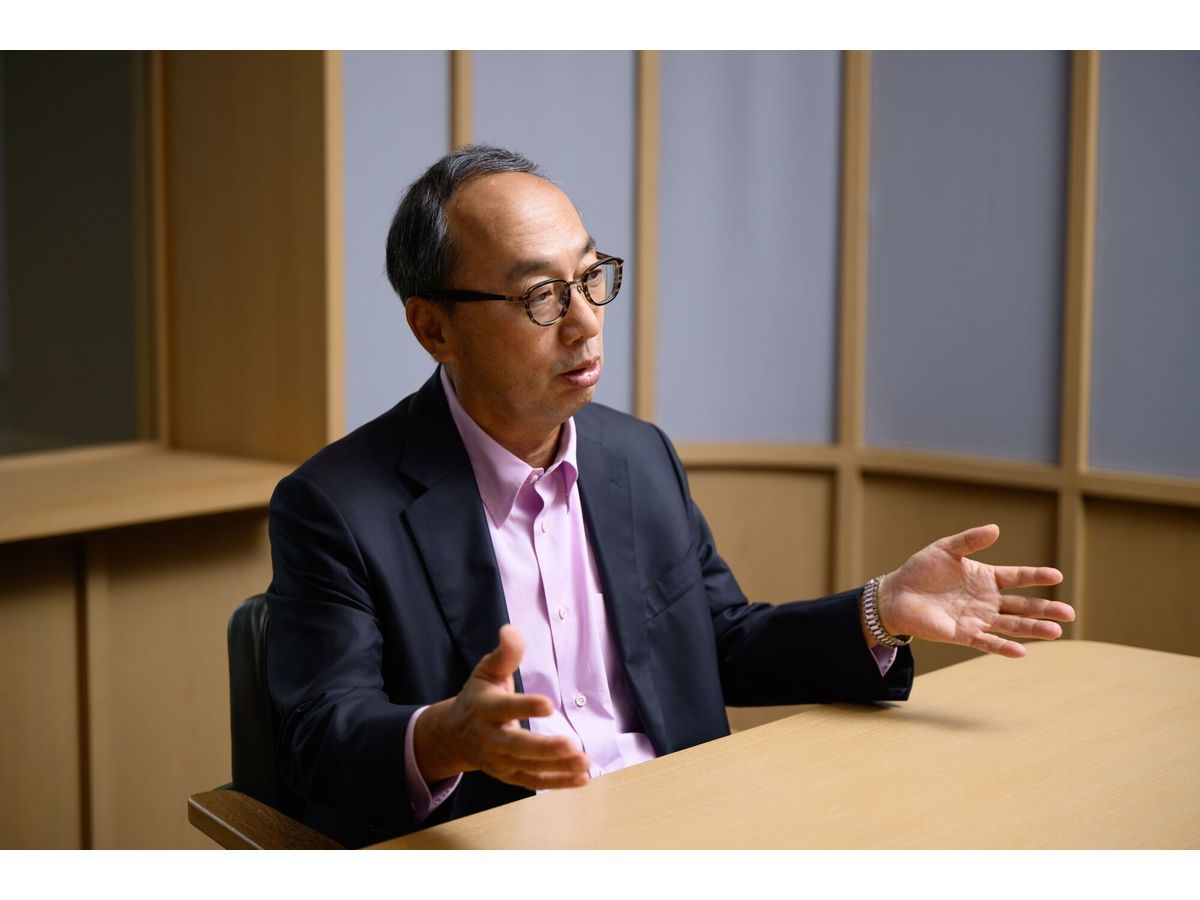
“Our goal is to integrate sales, manufacturing and development to build one single, robust company,” Mitsubishi Electric Chief Executive Officer Kei Uruma said in an interview. The companies are working out the detailed terms of the agreement and making adjustments, he said. “We hope that by September we’ll be able to announce our plan to establish the joint venture.”
Article content Top StoriesThanks for signing up!
Interested in more newsletters? Browse here.
Article contentFor years, Japan’s Ministry of Economy, Trade and Industry has pushed the country’s chipmakers to consolidate to better compete against the likes of Germany’s Infineon Technologies AG, which controls nearly a fifth of the global power semiconductor market, according to Omdia. Mitsubishi, Toshiba and Rohm — which all have many other product offerings — each hold less than 5%.
Article contentPower chips are used to control and convert electricity in cars, data centers, industrial robots, home appliances and gadgets. While unglamorous, they are strategically important and a shortage can undermine Japan’s attempts to raise energy efficiency or hamper expansion plans for its industrial players.
Article contentIn March, Mitsubishi Electric, Toshiba and Rohm said they’d begun talks to combine their chip operations. Rohm was also fielding a takeover proposal from auto-parts supplier Denso Corp., which later withdrew its bid.
Article content Story continues below This advertisement has not loaded yet, but your article continues below. Article contentCombining the three companies’ power-chip operations gives them a shot at becoming No. 1 in market share, Uruma said. Having so many domestic players leads to wasted resources, while teaming up with Rohm and Toshiba will lead to streamlined development and boost value added to chips, he said. “Combining our forces will allow us to go head to head with our global rivals,” he said, adding that there is a tentative consensus for Mitsubishi Electric to take the lead in the merged entity.
Article contentWhat Bloomberg Intelligence Says
Article contentA possible merger of the power conductor businesses of Rohm, Toshiba and Mitsubishi Electric makes strategic sense.. With Rohm and Toshiba each having a 2-3% share of the discrete semiconductor market, it’s hard for them to effectively compete against giants like Infineon and Texas Instruments. If the goal is to expand sales to automakers, auto parts suppliers and industrial equipment customers, Mitsubishi Electric seems like the stronger partner.
Article contentClick here for the research.
Article contentMasahiro Wakasugi and Tatsuo Yoshida, senior industry analysts
Article contentOne major hurdle is deciding what products the new entity would supply, Uruma said. Toshiba and Rohm both demand that any new venture include a wide array of analog chips such as converters and drivers to continue serving existing customers, while Mitsubishi Electric wants the combined unit to focus on power chips, he said.